The Growing Importance of Stone Crushing and Sand Aggregate Equipment in Modern Construction
The construction industry relies heavily on high-quality aggregates, including crushed stone and manufactured sand, as essential materials for infrastructure projects. With urbanization accelerating globally, the demand for efficient stone crushing and sand-making equipment has surged. Among the key materials processed is Chira stone, a laterite-based rock commonly mined in regions like Dapoli, India, known for its durability and suitability for local construction.
Aggregates form the backbone of concrete, roads, and buildings. Natural sand shortages and environmental regulations have driven the adoption of mechanized crushing solutions. Modern crushers, such as jaw crushers, cone crushers, and VSI (Vertical Shaft Impactors), enable the production of precisely graded aggregates while minimizing waste.
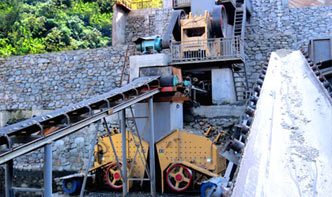
1. Primary Crushing: Jaw crushers break large Chira stones into manageable sizes.
2. Secondary/Tertiary Crushing: Cone crushers refine material further for uniformity.
3. Sand Manufacturing: VSI crushers produce cubical-shaped artificial sand, ideal for concrete mixes.
4. Screening & Washing: Vibrating screens and log washers ensure impurity-free final products.
Q1: Why use manufactured sand over natural sand?
A: Manufactured sand offers better gradation control, reduces silt content, and complies with environmental policies restricting riverbed mining.
Q2: What maintenance do crushing plants require?
A: Regular lubrication, wear-part inspections (e.g., blow bars, mantles), and monitoring vibration levels are critical to avoid downtime.
Q3: Can Chira stone be used for high-strength concrete?
A: Yes, when processed to remove soft laterite layers, it provides adequate compressive strength for most applications.
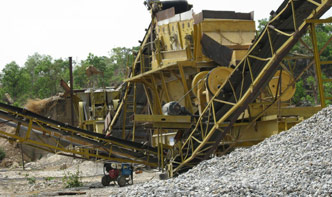
A Maharashtra-based contractor replaced manual Chira stone processing with a 200 TPH mobile crushing plant (jaw + VSI combo). Results included:
Investing in advanced crushing technology is pivotal to meeting aggregate demands sustainably—especially in resource-rich but ecologically sensitive regions like Dapoli. Future innovations may focus on energy-efficient designs and AI-driven optimization for quarry operations.

