The Role of Cone Crushers in Modern Aggregate Processing
The aggregate and sand production industry is a cornerstone of infrastructure development, supplying essential materials for construction, roads, and concrete. Among the key equipment driving efficiency in this sector, cone crushers stand out for their ability to deliver consistent particle size reduction and high-capacity output.
Cone Crushers: Core Technology and Advantages
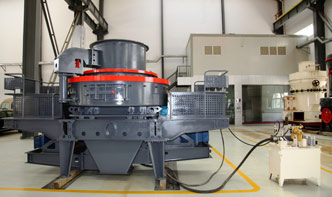
Cone crushers, such as the SBM Hydraulic Cone Crusher, leverage advanced crushing principles to process hard and abrasive materials. Their design features a rotating mantle and concave liner, creating compressive forces that break down rocks into smaller, uniform aggregates. Hydraulic systems (e.g., Hidralico technology) enhance adjustment precision, enabling real-time control over discharge settings for optimal gradation.
Key benefits include:
FAQs in Aggregate Production
1. How does a hydraulic cone crusher differ from traditional models?
Hydraulic systems replace mechanical springs, offering quicker adjustments and overload protection.
2. What materials are best suited for cone crushers?
Ideal for medium-to-hard rocks like granite, basalt, and iron ore; less effective for sticky or clay-rich feeds.
3. How to mitigate wear in cone liners?
Regular rotation of liners and balanced feed distribution extend service life.
Engineering Case Study: Quarry Optimization
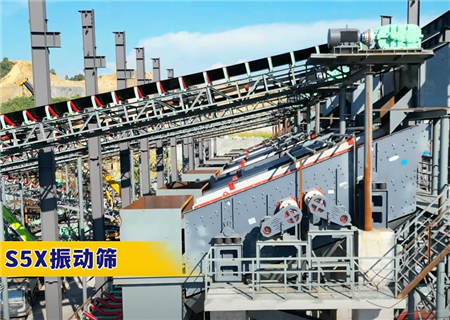
A limestone quarry in Europe adopted SBM’s HPT series cone crushers to replace aging jaw crushers. The upgrade resulted in:
Conclusion
As demand for high-quality aggregates grows, cone crushers with hydraulic advancements (Hidralico, SBM’s innovations) will remain pivotal in balancing productivity and sustainability. Operators must prioritize proper maintenance and feed management to maximize ROI in crushing circuits.
(Note: For specific model details like “yubtube,” verify official SBM channels or technical documentation.)

