Optimizing Jaw Crusher Plant Design: A 200 TPH Layout Guide
The aggregates and sand-making industry is a cornerstone of modern infrastructure development, supplying materials for construction, roads, and concrete production. Central to this process is the jaw crusher plant, a primary crushing solution renowned for its efficiency and reliability. A well-designed 200 TPH (tons per hour) jaw crusher plant layout ensures optimal productivity, reduced downtime, and cost-effective operations.
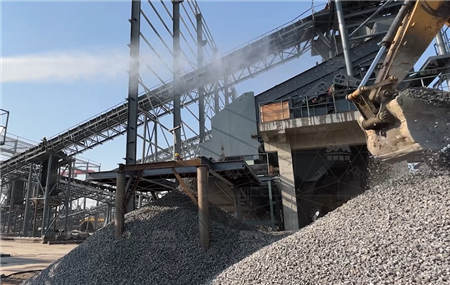
Global demand for high-quality aggregates continues to rise, driven by urbanization and infrastructure projects. Jaw crushers are favored for their ability to handle hard rocks like granite, basalt, and quartz, making them indispensable in primary crushing stages. A 200 TPH capacity caters to medium-to-large-scale operations, balancing output and operational costs.
1. Primary Crusher Selection: A robust jaw crusher (e.g., PE-600×900 or equivalent) forms the heart of the plant, ensuring high reduction ratios and minimal maintenance.
2. Feeding System: Vibrating grizzly feeders prevent blockages by evenly distributing material to the crusher.
3. Conveyor Integration: Belt conveyors must be sized correctly (e.g., 800–1000 mm width) to handle peak loads without bottlenecks.
4. Screening Efficiency: Pre-screening scalpers remove fines before crushing, improving throughput and reducing wear.
5. Modular vs. Fixed Layout: Modular designs offer flexibility for relocation, while fixed plants suit long-term projects with stable material sources.
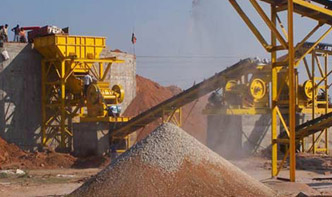
A: Regular lubrication, wear-part inspections (e.g., jaw plates), and avoiding overloading extend service life.
A: Electric motors (110–150 kW) are cost-efficient for grid-connected sites; diesel options suit remote locations.
A: Pre-screening and adjustable crusher settings mitigate clogging risks.
A quarry in Texas implemented a 200 TPH jaw crusher plant with a two-stage design:
1. Primary crushing with a C6X Series Jaw Crusher (~200 TPH).
2. Secondary cone crusher for finer output (~50 mm). The layout reduced fuel costs by 15% via optimized conveyor routing and automated controls for feed regulation.
A meticulously planned 200 TPH jaw crusher plant enhances productivity while minimizing operational hurdles. By prioritizing equipment synergy, maintenance protocols, and site-specific adaptations, operators can achieve sustainable returns in the competitive aggregates sector.For tailored solutions,collaborate with experienced engineers to address unique material characteristicsand spatial constraints

