Limestone Grinding Process Line in Nigeria: A Comprehensive Overview
Nigeria’s construction and infrastructure sectors are experiencing rapid growth, driving demand for high-quality limestone products. Limestone, a key raw material for cement, concrete, and agricultural applications, requires efficient grinding to meet industry standards. A well-designed limestone grinding process line ensures optimal particle size distribution, energy efficiency, and minimal environmental impact.
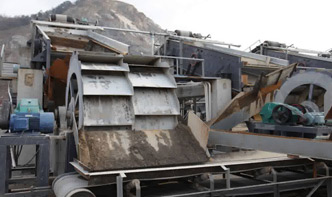
1. Primary Crushing: Large limestone blocks are reduced to smaller sizes (typically <50mm) using jaw crushers or hammer crushers.
2. Pre-Homogenization: Raw materials are blended to ensure consistency before grinding.
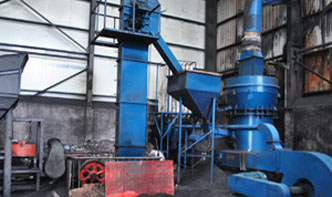
3. Grinding Mill: The heart of the process, where ball mills, vertical roller mills (VRM), or Raymond mills pulverize limestone into fine powder (80-325 mesh). VRMs are preferred for their energy efficiency and lower maintenance.
4. Classification: Dynamic separators or air classifiers segregate fine particles from coarse ones for reprocessing.
5. Dust Collection: Bag filters or electrostatic precipitators control emissions, ensuring compliance with environmental regulations.
1. What is the ideal fineness for limestone powder?
Depending on application: 200-325 mesh for cement, 80-150 mesh for agriculture (soil conditioning).
2. How to maintain grinding mill performance?
Regular lubrication, wear-part inspection (e.g., rollers, liners), and monitoring vibration levels are critical.
3. What are the alternatives to VRMs?
Ball mills suit smaller capacities; Raymond mills are cost-effective for coarse grinding (~80 mesh).
A Nigerian cement plant upgraded its limestone grinding line with a vertical roller mill, achieving:
Investing in an optimized limestone grinding process line enhances productivity while meeting Nigeria’s growing demand for construction materials. Tailored solutions balancing cost, efficiency, and sustainability will remain pivotal in advancing the country’s industrial growth.

