The Cost of Kaolin Quarry Equipment: A Comprehensive Guide
The kaolin mining and processing industry plays a vital role in sectors like ceramics, paper, paints, and construction. As demand for high-purity kaolin grows, efficient quarrying and processing equipment becomes critical. This article explores key equipment costs, industry trends, and practical considerations for optimizing kaolin production.
Kaolin, or china clay, is extracted via open-pit mining. Its processing involves crushing, grinding, classification, and drying to achieve desired particle sizes. The equipment used must balance cost-effectiveness with minimal environmental impact.
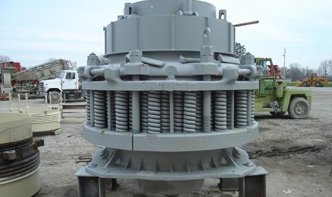
1. Primary Crushers: Jaw or gyratory crushers break raw kaolin into manageable chunks (~$50,000–$300,000 depending on capacity).
2. Secondary Crushing & Grinding: Cone crushers or hammer mills refine material further (~$30,000–$200,000).
3. Classification Systems: Hydrocyclones or air classifiers separate particles by size (~$20,000–$150,000).
4. Drying Equipment: Rotary dryers remove moisture (~$100,000–$500,000).
Total setup costs range from $500,000 to $2 million+, influenced by scale and automation levels.
Q: What’s the ROI period for kaolin equipment?
A: Typically 3–5 years, depending on market demand and operational efficiency.
Q: How to reduce maintenance costs?
A: Regular lubrication, wear-part monitoring (e.g., crusher liners), and predictive maintenance technologies.
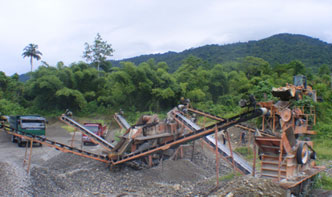
A mid-sized quarry invested $1.2 million in a semi-automated crushing/grinding line with hydrocyclones. Annual output increased by 35%, achieving ROI in 4 years through optimized energy use and reduced downtime.
Investing in the right kaolin quarry equipment requires balancing capital expenditure with operational efficiency. Prioritizing scalable, energy-efficient solutions ensures long-term profitability in this competitive sector.

