Crushing Plants for Bricks and Concrete: A Comprehensive Guide
The construction industry relies heavily on recycled materials like crushed bricks and concrete to reduce costs, minimize environmental impact, and meet sustainability goals. Crushing plants play a pivotal role in processing these materials into reusable aggregates for new construction projects.
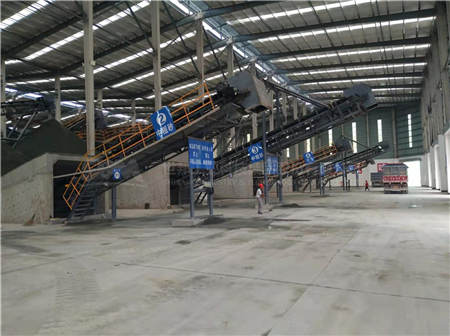
With urbanization accelerating globally, the demand for sustainable construction materials has surged. Recycled aggregates from demolished structures (e.g., bricks, concrete) are increasingly used in road bases, foundations, and new concrete mixes. Crushing plants transform waste into valuable resources, aligning with circular economy principles.
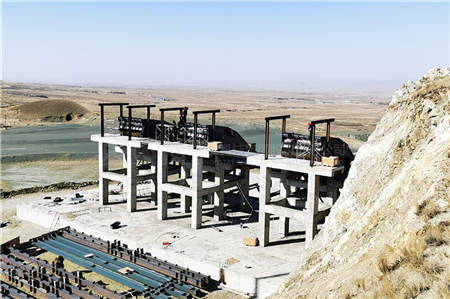
1. Primary Crusher: Jaw or impact crushers break down large chunks of concrete/bricks into smaller pieces.
2. Secondary Crusher: Cone or impact crushers further refine the material to desired sizes.
3. Screening System: Vibrating screens separate aggregates by size (e.g., 0-5mm for sand, 5-20mm for gravel).
4. Conveyors & Storage: Transport and stockpile processed materials efficiently.
Q1: What’s the typical output capacity of a crushing plant?
A: Ranges from 50 to 500 tons/hour, depending on plant size and material hardness.
Q2: Can crushed brick be used in structural concrete?
A: Yes, but often limited to non-load-bearing applications due to lower strength compared to aggregates.
Q3: How to minimize dust during crushing?
A: Use water sprays, enclosed systems, or dust suppression additives.
Project: A demolition contractor in Germany processed 10,000 tons of concrete rubble using a mobile crushing plant. The recycled aggregate was reused in a highway embankment, saving 30% in material costs and reducing transport emissions by 40%.
Crushing plants for bricks and concrete are essential for sustainable construction. By investing in the right equipment and optimizing processes, businesses can turn waste into profit while supporting environmental goals. For tailored solutions, consult with crushing specialists to match your project requirements.

