The Aggregates Industry in the Philippines: A Focus on CEMEX and Crushing Equipment
The Philippines’ construction sector continues to expand, driven by infrastructure projects and urbanization. Aggregates—crushed stone, sand, and gravel—are essential raw materials for concrete, roads, and buildings. As a key player, CEMEX Philippines operates aggregate quarries supplying high-quality materials to meet this demand.
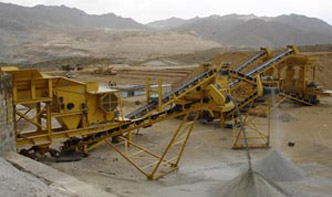
Modern quarries rely on advanced crushing and screening systems to produce aggregates efficiently. Key equipment includes:
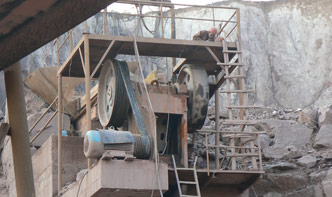
1. Jaw Crushers: Primary crushing of large rocks into manageable sizes.
2. Cone Crushers: Secondary crushing for finer, uniform output.
3. Impact Crushers: Ideal for producing cubical-shaped aggregates (critical for high-strength concrete).
4. Vibrating Screens: Separate aggregates by size gradation.
5. Sand Making Machines (VSI): Produce artificial sand from crushed stone, addressing natural sand shortages.
CEMEX leverages such technology to ensure consistent quality while optimizing production costs and sustainability (e.g., dust suppression systems).
Q: How does CEMEX ensure environmental compliance?
A: Measures include water recycling, noise reduction tech, and land rehabilitation post-mining.
Q: What’s the typical output of a quarry plant?
A: Ranges from 200–1,000 TPH depending on crusher configuration and rock hardness.
Q: Why is aggregate shape important?
A: Angular or cubical aggregates improve concrete strength vs. flaky particles.
CEMEX upgraded a Luzon-based quarry with a 500 TPH crushing plant featuring a jaw-cone-VSI combo. Results included:
With firms like CEMEX investing in efficient crushing technology, the Philippine aggregates industry is poised to support the nation’s infrastructure goals sustainably. Selecting the right equipment—matched to geology and end-use—remains critical for profitability and quality control.

