Crushing and Sand-Making Equipment in the Aggregates Industry
The aggregates industry plays a vital role in global infrastructure development, supplying materials for construction, roads, and concrete production. Crushing and sand-making equipment are at the core of this sector, transforming raw rocks into high-quality sand and gravel.
1. Igneous Rocks (e.g., granite, basalt) – Hard and abrasive, requiring robust crushers like jaw or cone crushers.
2. Sedimentary Rocks (e.g., limestone, sandstone) – Softer but may contain impurities; impact crushers are often used.
3. Metamorphic Rocks (e.g., quartzite, marble) – Dense and durable, demanding high-pressure grinding or vertical shaft impactors (VSI).
1. What’s the difference between natural and manufactured sand?
Natural sand is sourced from riverbeds, while manufactured sand is produced by crushing rocks, offering better control over particle size.
2. How to choose the right crusher?
Consider rock hardness, feed size, and required output—consult manufacturers for tailored solutions.
3. What’s the lifespan of a crushing plant?
Proper maintenance can extend it to 10–15 years; wear parts like liners need regular replacement.
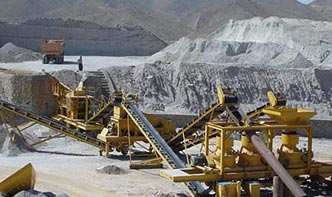
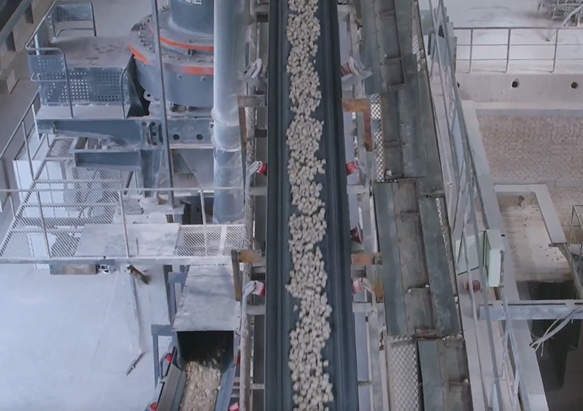
A quarry in Texas upgraded to a VSI crusher system, increasing sand production by 30% while reducing energy consumption by 15%. The consistent grain size met strict concrete mix standards, demonstrating the value of modern crushing technology.
Advancements in crushing and sand-making equipment continue to drive efficiency in the aggregates industry. Selecting the right machinery ensures optimal productivity and sustainability—key factors in meeting global construction demands.

