Process Control Scheme for Hammer Mill in Aggregate Production
The hammer mill is a critical piece of equipment in the aggregate and sand-making industry, widely used for crushing hard and abrasive materials like limestone, granite, and basalt into smaller, uniform particles. Effective process control ensures optimal performance, reduced wear, and consistent product quality.
Aggregate production demands high efficiency and reliability due to the rigorous requirements of construction and infrastructure projects. Hammer mills play a key role in secondary or tertiary crushing stages, where precise control over particle size distribution is essential for downstream processes like screening and grading.
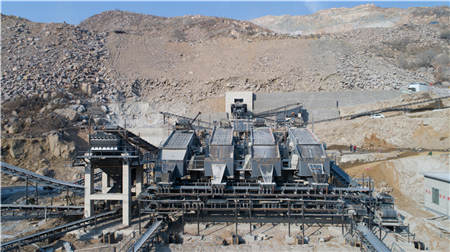
1. Feed Rate Regulation
– A controlled feed rate prevents overloading and ensures steady operation. Variable frequency drives (VFDs) on conveyor belts adjust speed based on real-time material flow.
2. Rotor Speed Optimization
– Adjusting rotor speed (via hydraulic or electric systems) influences particle size. Higher speeds produce finer output but increase wear; lower speeds improve efficiency for coarser materials.
3. Screen Size & Wear Monitoring
– Perforated screens determine final particle size. Automated monitoring detects screen wear or clogging, triggering maintenance alerts to avoid downtime.
4. Dust & Vibration Control
– Integrated dust collectors and vibration sensors enhance safety and equipment longevity by mitigating operational hazards.
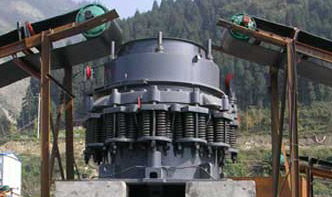
A: Use hardened hammers, maintain proper feed size (<80% of inlet width), and monitor material moisture content.
A: Inconsistent feed, worn screens/hammers, or incorrect rotor speed. Regular inspection and calibration are recommended.
A quarry in Texas upgraded its hammer mill system with IoT-enabled sensors for real-time rotor balance tracking and predictive maintenance. This reduced unplanned downtime by 30% and improved product consistency by 15%.
By integrating advanced automation and proactive maintenance, hammer mills can achieve higher throughput and longer service life—key factors in modern aggregate processing plants.

