Crushing Equipment Spotlight: Jaw Crushers vs. Gyratory Crushers in Aggregate Production
The aggregates and sand-making industry relies heavily on robust crushing equipment to process raw materials like granite, limestone, and basalt into high-quality construction-grade products. Among the primary crushers, jaw crushers and gyratory crushers dominate large-scale operations. Understanding their differences is critical for optimizing productivity and cost-efficiency.
Global demand for sand and gravel exceeds 50 billion tons annually, driven by infrastructure development. Primary crushing reduces mined rock to manageable sizes for further processing. The choice between jaw and gyratory crushers depends on factors like feed size, capacity, and operational costs.
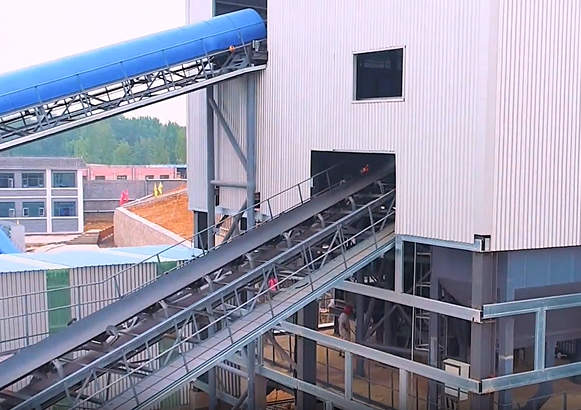
1. Jaw Crushers
– Design: A fixed jaw and a reciprocating movable jaw compress material until it fractures.
– Advantages: Lower initial cost, simpler maintenance, and flexibility for portable plants.
– Limitations: Lower throughput (up to 1,500 tph) and higher wear in abrasive applications.
2. Gyratory Crushers
– Design: A conical head gyrates within a concave bowl, continuously crushing material.
– Advantages: Higher capacity (3,000+ tph), better energy efficiency for hard rocks, and consistent output gradation.
– Limitations: Higher capital cost and complex installation.
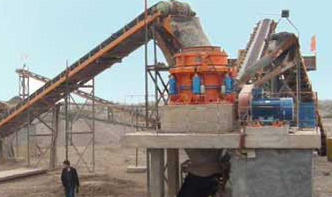
Q: Which is better for granite crushing?
A: Gyratory crushers excel in high-tonnage granite quarries due to their efficiency and uniform wear distribution.
Q: Can jaw crushers replace gyratories?
A: For mid-sized operations (<1,000 tph), modern jaw crushers with advanced kinematics (e.g., C-series) are competitive.
A Brazilian iron ore mine switched from jaw to gyratory primary crushing, achieving a 20% increase in throughput while reducing energy consumption by 15%. The change justified the higher upfront investment within 18 months.
While jaw crushers remain popular for versatility and lower CAPEX, gyratories dominate large-scale aggregate and mining projects requiring ultra-high productivity. Operators must evaluate material characteristics, production goals, and total cost of ownership to select the optimal solution.

