Copper Production Plant Layout and Its Parallels in Aggregate Processing
The copper production industry shares several similarities with the aggregate (sand, gravel, and crushed stone) sector, particularly in plant layout and material processing. Both industries rely on efficient crushing, screening, and material handling systems to optimize output. Below is an overview of key design principles, equipment selection, and FAQs relevant to both fields.
Copper extraction involves ore crushing, grinding, flotation, and smelting—a process analogous to aggregate production, where raw rock undergoes primary/secondary crushing, screening, and washing. The layout of a copper plant emphasizes:
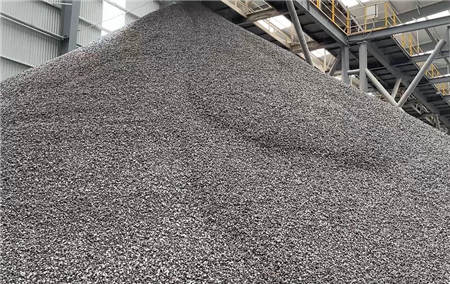
1. Primary Crushers: Jaw or gyratory crushers (for copper ore/hard rock) reduce large feed sizes.
2. Secondary/Tertiary Crushing: Cone crushers or impactors refine material for further processing.
3. Screening: Vibrating screens segregate particles by size (e.g., copper concentrate vs. aggregate gradation).
4. Material Handling: Conveyors and feeders ensure seamless transport between stages.
Q: How does plant layout impact efficiency?
A: A well-designed layout reduces energy consumption and downtime by shortening material transfer distances—critical in both copper and aggregate plants.
Q: What are common challenges in scaling production?
A: Balancing crusher capacity with downstream processes (e.g., flotation cells for copper or washing systems for sand) is essential to avoid overloading.
Q: How is automation integrated?
A: PLC systems monitor crusher performance, conveyor speeds, and screen efficiency—similar to smart controls in modern aggregate plants.
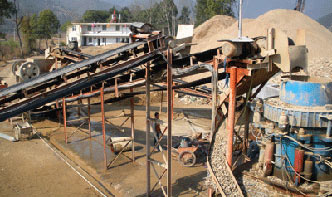
A Chilean copper mine optimized its layout by relocating primary crushers closer to the pit, reducing truck haulage costs by 15%. Similarly, a granite quarry in Texas adopted a radial stacker conveyor system to streamline stockpiling—showcasing cross-industry applicability of these solutions.
By adopting lessons from copper production—such as modularity and flow optimization—aggregate operators can enhance productivity while minimizing operational costs.

