Vertical Coal Roller Mill: Design and Applications in Aggregate Processing
The aggregate and sand industry relies heavily on efficient grinding and crushing equipment to produce high-quality materials for construction, road building, and other infrastructure projects. Among the critical machines used in this sector is the vertical coal roller mill, which has been adapted for mineral processing due to its high grinding efficiency, low energy consumption, and compact design.
With the growing demand for fine aggregates and manufactured sand (M-Sand), vertical roller mills (VRMs) have gained prominence in processing hard and abrasive materials like limestone, clinker, and coal. Originally designed for coal grinding in power plants, VRMs are now widely used in cement and aggregate plants for their ability to produce finely ground products with a narrow particle size distribution.
1. Grinding Mechanism: A vertical roller mill utilizes rollers to crush materials against a rotating grinding table. The ground material is then classified by an integrated dynamic separator, ensuring precise control over fineness.
2. Energy Efficiency: Compared to traditional ball mills, VRMs consume 30-50% less energy due to their direct grinding principle and reduced friction losses.
3. Compact Design: The vertical arrangement minimizes floor space requirements, making it ideal for modular plant layouts.
4. Low Noise & Dust Emissions: Enclosed grinding chambers reduce environmental impact, aligning with modern sustainability standards.
Q: Can a vertical roller mill handle wet materials?
A: Standard VRMs are designed for dry grinding; however, modified versions with hot air injection can process slightly moist feed.
Q: What maintenance is required?
A: Regular inspection of rollers, liners, and hydraulic systems is essential to prevent wear-related downtime.
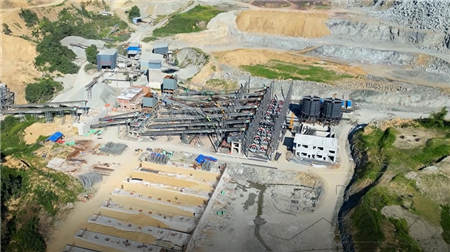
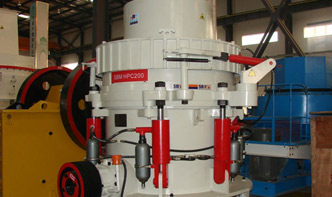
A quarry in Texas replaced its traditional ball mill with a vertical roller mill for limestone grinding, achieving:
The vertical coal roller mill’s adaptability makes it a valuable asset in aggregate processing, offering energy savings, operational flexibility, and superior product quality. As the industry shifts toward sustainable practices, VRMs will continue to play a pivotal role in modern mineral processing plants.

