The Role of Mobile Crushers in the Cement Industry
The cement industry is a cornerstone of modern infrastructure, requiring vast quantities of raw materials like limestone, clay, and shale. Efficient processing of these materials is critical to ensure consistent quality and cost-effectiveness. Mobile crushers have emerged as a game-changing solution, offering flexibility, reduced logistics costs, and improved operational efficiency.
Traditional stationary crushing plants are often limited by fixed locations and high transportation costs for raw materials. In contrast, mobile crushers can be deployed directly at mining sites or demolition projects, minimizing material handling and fuel consumption. This adaptability is particularly valuable in the cement sector, where quarries are frequently remote and material variability demands on-site processing.
1. Mobility & Flexibility: Track-mounted or wheeled units can be relocated easily, reducing downtime between projects.
2. Cost Efficiency: Eliminates the need for multiple hauling trips, lowering fuel and labor expenses.
3. Versatility: Capable of crushing various materials (soft to hard rock) and producing multiple aggregate sizes in a single pass.
4. Eco-Friendly: Electric or hybrid models reduce carbon emissions compared to traditional diesel-powered setups.
Q: Can mobile crushers handle abrasive materials like basalt or granite?
A: Yes, modern units feature wear-resistant components (e.g., manganese jaws) to withstand hard rock crushing.
Q: How does a mobile crusher compare to a stationary plant in terms of output?
A: While stationary plants offer higher capacity for large-scale operations, mobile crushers excel in medium-scale projects with output ranges of 100–400 tph.
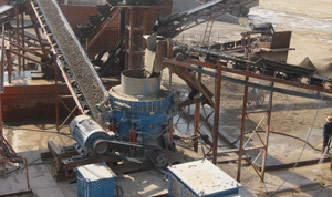
Q: Are electric mobile crushers viable for off-grid sites?
A: Hybrid models combine diesel generators with electric drives, ensuring operation in remote areas without grid power.
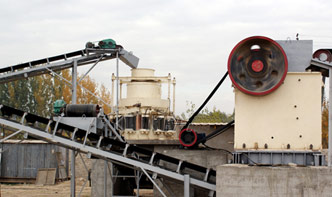
A cement manufacturer in Rajasthan deployed a mobile jaw crusher to process limestone at multiple quarry faces. By eliminating truck haulage between pits, they reduced fuel costs by 30% and achieved a 20% increase in daily production throughput. The system’s quick setup also allowed adaptation to varying material hardness without halting operations.
Mobile crushers are transforming the cement industry by enabling agile, cost-effective raw material processing. As sustainability and efficiency become priorities, their adoption will continue to rise—bridging the gap between quarrying and cement production seamlessly.

