Understanding Cone Crusher Wear and Its Impact on Aggregate Production
The aggregate and sand production industry relies heavily on cone crushers for efficient size reduction of hard and abrasive materials. These machines are critical in producing high-quality crushed stone, sand, and gravel for construction, road building, and infrastructure projects. However, wear on cone crusher components is inevitable due to the harsh operating conditions, leading to increased maintenance costs and downtime if not managed properly.
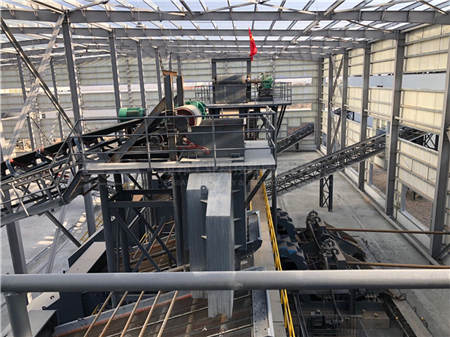
1. Mantle and Concave: These are the primary wear parts that directly interact with the feed material. Abrasion from rock-on-rock crushing and compression forces cause gradual material loss, affecting particle size distribution and throughput.
2. Eccentric Bushing & Bearings: Wear in these components can lead to misalignment, vibration, and reduced crusher efficiency.
3. Liners & Shields: Protective liners in the crushing chamber minimize wear on structural components but require periodic replacement.
Q: How often should cone crusher liners be replaced?
A: Replacement intervals depend on material hardness and production volume—typically 500–1,000 operating hours for abrasive feeds.
Q: Can worn liners affect product quality?
A: Yes, excessive wear leads to inconsistent particle size and increased fines generation.
A granite quarry reduced downtime by 20% after adopting a predictive maintenance program for cone crusher wear parts. Regular liner rotation and real-time monitoring extended service life by 30%, lowering cost per ton of production.
Proactive wear management in cone crushers is essential for maximizing productivity and minimizing operational costs in the aggregates industry. By leveraging advanced materials, optimized designs, and data-driven maintenance, operators can achieve longer equipment lifecycles while maintaining product quality standards.

