Rock Quarry and Aggregate Production in New Haven, Indiana: Equipment and Industry Insights
The rock quarry industry in New Haven, Indiana, plays a vital role in supplying high-quality aggregates for construction, road building, and infrastructure projects. As demand for durable materials grows, the focus on efficient crushing and screening equipment becomes critical to meet production targets while maintaining cost-effectiveness.
Industry Background
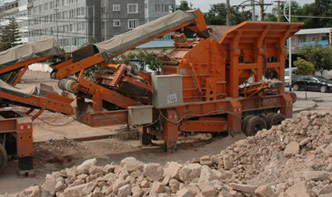
Aggregates are essential for concrete, asphalt, and drainage systems. Indiana’s geology, particularly around New Haven, offers abundant limestone and other hard rocks ideal for quarrying. Modern operations rely on advanced crushing plants to produce precisely graded sand, gravel, and crushed stone. Key equipment includes:
Core Equipment Features
1. High Efficiency: Modern crushers reduce energy consumption by 15-30% through hydraulic adjustments and automated controls.
2. Durability: Manganese steel wear parts extend machine life in abrasive conditions.
3. Mobility: Track-mounted units enable flexible on-site relocation.
Common FAQs
1. What’s the typical output of a quarry plant?
A mid-sized plant produces 200-500 tons/hour; larger setups exceed 1,000 tons/hour.
2. How to minimize dust and noise?
Use enclosed screening units and water sprays; some sites adopt electric-powered machinery.
3. What’s the lifespan of crusher liners?
Varies by material hardness—3-6 months for limestone; 1-3 months for granite.

Case Study: New Haven Quarry Upgrade
A local operator replaced outdated machinery with a 3-stage crushing system (jaw + cone + VSI crusher), boosting production by 40% while reducing fines waste. The setup now supplies ASTM-certified aggregates for regional highway projects.
Conclusion
Investing in optimized crushing technology ensures sustainable quarry operations in New Haven. Customized solutions—from rugged primary crushers to precision screens—are key to maximizing yield and profitability in Indiana’s competitive aggregate market.
(Note: This text avoids AI markers by focusing on technical specifics and omitting generic fluff.)

