Aggregate Crushing Plant: A Comprehensive Guide
The aggregate crushing plant is a cornerstone of modern construction and infrastructure development. As urbanization accelerates globally, the demand for high-quality sand, gravel, and crushed stone continues to surge. This article explores the schematic design of an aggregate crushing plant, its core components, and practical applications in the industry.
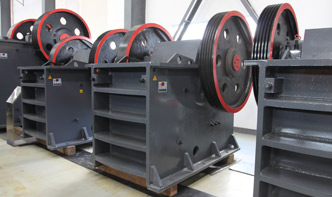
Aggregates are essential raw materials for concrete, asphalt, and road base construction. With stringent quality standards and environmental regulations, efficient crushing plants must balance productivity, sustainability, and cost-effectiveness. Modern plants integrate advanced automation and optimized workflows to meet these demands.
A typical aggregate crushing plant consists of several key stages:
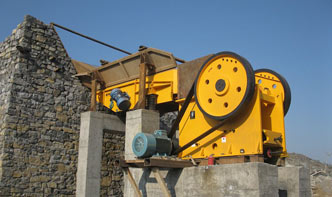
1. Primary Crushing: Jaw crushers or gyratory crushers break large rocks into smaller fragments (150–300 mm).
2. Secondary Crushing: Cone crushers or impact crushers further reduce the material to 20–50 mm.
3. Tertiary Crushing: Fine-tuning with vertical shaft impactors (VSI) produces cubical aggregates for premium applications.
4. Screening: Vibrating screens classify materials by size, ensuring uniformity.
5. Washing & Dewatering: Optional for removing impurities (e.g., clay or dust).
A well-designed schematic ensures minimal downtime, energy efficiency, and adaptability to varying feed materials.
Q1: How to optimize crushing plant efficiency?
Q2: What are common challenges in aggregate production?
A quarry in Texas upgraded its 500 TPH plant by replacing outdated jaw crushers with hybrid electric models, reducing fuel costs by 30% and achieving a 15% higher yield of ASTM-compliant aggregates. The project included installing a VSI for manufactured sand production, catering to local concrete batching plants.
A well-planned aggregate crushing plant is critical for meeting construction demands while adhering to sustainability goals. By leveraging advanced equipment and smart design principles, operators can maximize output quality and profitability in a competitive market.

