Crushing and Screening in the Aggregate Industry: A Comprehensive Guide
The aggregate industry plays a vital role in construction, providing essential materials like sand, gravel, and crushed stone for infrastructure projects. Central to this process are crushing and screening equipment, which transform raw materials into high-quality aggregates. This article explores the core aspects of crushing and screening, along with practical checklists, FAQs, and real-world applications.
Aggregates are the foundation of modern construction, used in roads, bridges, buildings, and more. Crushing and screening are critical steps to ensure material consistency, size gradation, and cleanliness. With rising demand for sustainable practices, modern plants prioritize efficiency, automation, and environmental compliance.
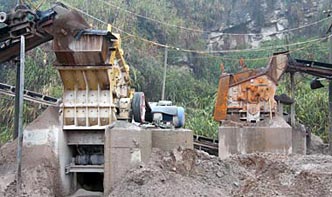
1. Primary Crushers: Jaw crushers or gyratory crushers break down large rocks into manageable sizes.
2. Secondary/Tertiary Crushers: Cone crushers or impact crushers further refine material for specific applications.
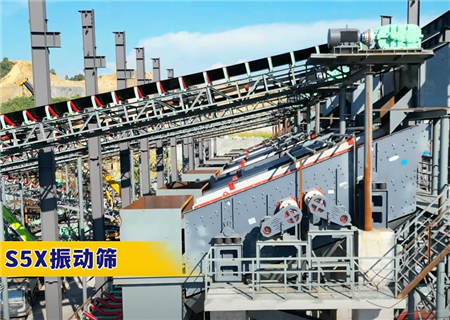
3. Screening Equipment: Vibrating screens separate aggregates by size (e.g., scalping screens for coarse separation, fine screens for precise grading).
4. Conveyors & Feeders: Ensure smooth material flow between stages.
To optimize operations, follow this pre- and post-production checklist:
Pre-Operation Checks:
During Operation:
Post-Operation Maintenance:
1. How often should crusher liners be replaced?
– Depending on material abrasiveness, liners may last 500–1,000 hours; regular inspections are crucial.
2. What causes screen blinding?
– Moisture or sticky material can clog screens; using anti-blinding panels or dry feeds helps mitigate this issue.
3. How to reduce dust emissions?
– Implement water sprays, enclosures, or baghouse filters to meet environmental regulations.
A quarry in Texas upgraded its aging jaw crusher to a modern hybrid model with automated settings adjustment technology (ASRi). The result was a 20% increase in throughput while reducing energy consumption by 15%. Additionally, real-time monitoring reduced unplanned downtime by 30%.
Efficient crushing and screening operations rely on proper equipment selection, routine maintenance checks adherence to best practices—ensuring high-quality aggregates while minimizing downtime costs is key success factor within competitive industry landscape today’s market demands both performance sustainability from operators alike!

