Gold Ore Ball Mill Grinding Process in the Aggregate and Sand Industry
The mining and aggregate industry relies heavily on efficient grinding processes to extract valuable minerals and produce high-quality sand and gravel. Among the key equipment, the ball mill plays a critical role in grinding gold ore and other hard materials into fine particles for further processing.
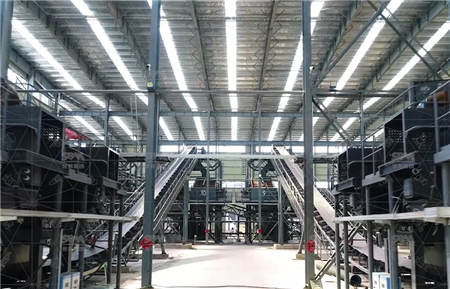
The demand for crushed stone, sand, and gravel continues to rise due to infrastructure development and urbanization. Gold ore processing, often integrated with aggregate production, requires precise grinding to liberate gold particles from host rock. Ball mills are widely used due to their versatility, high capacity, and ability to handle abrasive materials.
A ball mill operates by rotating a cylinder filled with grinding media (steel balls) and the ore material. As the mill rotates, the balls cascade and crush the ore through impact and attrition. Key factors influencing efficiency include:
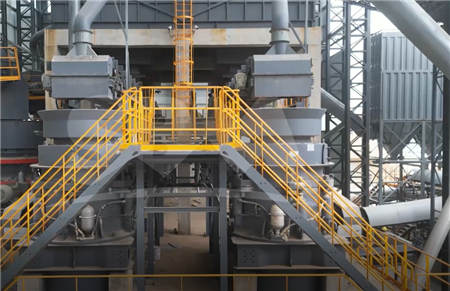
Beyond gold extraction, ball mills are used in:
1. What is the difference between wet and dry grinding?
Wet grinding uses water to form a slurry, reducing dust and improving particle separation. Dry grinding is preferred when moisture content must be minimized.
2. How to prevent over-grinding?
Control residence time via mill speed adjustments or classifier integration (e.g., hydrocyclones).
3. What maintenance is required?
Regular inspection of liners, lubrication systems, and bearing wear ensures longevity.
A gold mine in Australia improved recovery rates by optimizing their ball mill circuit:
Result: 12% increase in gold recovery with reduced energy consumption.
Ball mills remain indispensable in both mineral processing and aggregate industries. Proper selection, operation, and maintenance ensure cost-effective production of high-quality materials for construction and metallurgy sectors.

