The Cost of Copper Ore Fine Crushers in the Aggregate and Sand Making Industry
The mining and aggregate industry relies heavily on efficient crushing equipment to process raw materials like copper ore into finer particles for further beneficiation or construction applications. Fine crushers, specifically designed for secondary or tertiary crushing, play a pivotal role in optimizing particle size distribution while minimizing operational costs.
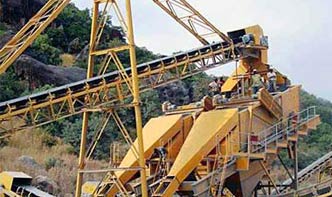
Copper ore processing demands robust equipment due to the material’s abrasive nature and varying hardness. Fine crushers, such as cone crushers, impact crushers, or high-pressure grinding rolls (HPGR), are critical for reducing ore to sub-10mm sizes. The global push toward sustainable mining and cost-effective mineral processing has intensified the demand for energy-efficient and low-maintenance crushing solutions.
1. Equipment Type:
– Cone Crushers: Ideal for hard ores; higher upfront cost but lower wear rates.
– Impact Crushers: Lower initial investment but higher wear part replacement costs.
– HPGRs: Energy-efficient but require significant capital expenditure.
2. Production Capacity:
Higher throughput models (e.g., 200–500 t/h) command premium pricing but reduce per-ton processing costs.
3. Material Characteristics:
Ore hardness (e.g., Mohs scale) and silica content influence wear part longevity, indirectly affecting total ownership costs.
4. Automation and Maintenance:
Advanced control systems (e.g., PLC-based automation) add to initial costs but improve efficiency and reduce downtime.
Q1: What is the typical lifespan of wear parts in a copper ore fine crusher?
A: Depending on abrasiveness, manganese liners may last 3–6 months; ceramic or composite materials can extend this further.
Q2: How does energy consumption compare between cone and impact crushers?
A: Cone crushers generally offer better energy efficiency for hard ores, while impact crushers excel in softer materials with lower power demands.
Q3: Are mobile fine crushers suitable for copper ore processing?
A: Mobile units are viable for small-scale or remote operations but lack the durability of stationary plants for high-volume processing.
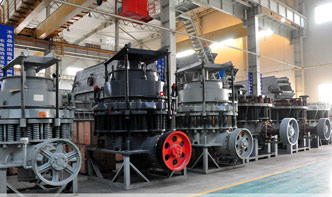
A Chilean copper mine opted for a multi-stage crushing circuit combining a primary jaw crusher with secondary cone crushers and tertiary HPGRs. This setup reduced energy consumption by 15% and increased fine ore recovery by 20%, justifying the higher initial investment over 5 years.
Selecting a copper ore fine crusher involves balancing capital expenditure, operational efficiency, and maintenance requirements. Partnering with experienced manufacturers to tailor solutions to specific ore characteristics ensures long-term profitability in the competitive aggregates and mining sectors.

