The Evolving Landscape of Crushing and Sand-Making Equipment: A Focus on Ideal Table Top Grinder Pricing
The global construction and mining industries are witnessing unprecedented demand for high-quality sand and aggregates, driven by urbanization and infrastructure development. At the heart of this demand lies crushing and sand-making equipment, with table top grinders emerging as a compact yet efficient solution for small-to-medium-scale operations.
Sand and gravel account for over 80% of mined materials worldwide, underscoring the critical role of crushing technology. Traditional jaw crushers and cone crushers dominate large-scale production, but table top grinders offer versatility for niche applications like laboratory testing, small-batch material processing, or recycling. Their portability and lower operational costs make them ideal for startups or remote projects.
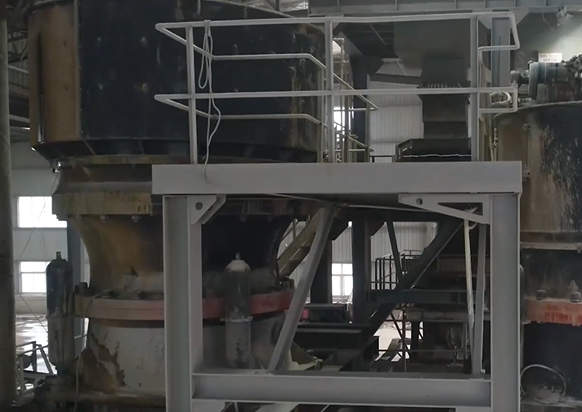
Table top grinders are designed for precision grinding of brittle materials (e.g., minerals, ceramics, or construction waste). Key features influencing price include:
Regional factors like import tariffs (e.g., 5–15% in emerging markets) and local competition further distort pricing.
1. Can table top grinders replace industrial crushers?
No—they complement large systems for specialized tasks but lack capacity for bulk processing.
2. What’s the average lifespan?
3–7 years with proper maintenance; abrasive materials may reduce longevity.
3. Are used grinders cost-effective?
Yes, but inspect wear parts (e.g., grinding plates) to avoid hidden repair costs.
A recycling startup in Thailand opted for a mid-range table top grinder ($4,200) to process glass waste into fine sand for tile manufacturing. The unit achieved 50 kg/hour output, reducing raw material costs by 30% compared to outsourcing. ROI was realized within 8 months.
While table top grinders represent a fraction of the crushing market, their strategic value in precision applications justifies investment. Buyers should balance upfront costs against operational efficiency gains and scalability needs. As technology advances, expect smarter controls and eco-friendly designs to reshape pricing dynamics further.

