The Importance of Sand Grading in Ready-Mix Mortar Production
The construction industry relies heavily on high-quality sand for ready-mix mortar, a critical component in masonry, plastering, and other applications. Proper sand grading ensures optimal workability, strength, and durability of the final product. This article explores the role of sand grading in ready-mix mortar, the equipment used for producing well-graded sand, and common challenges faced in the industry.
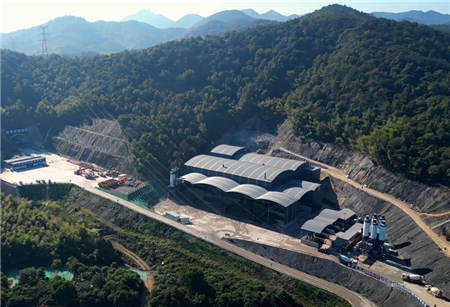
Sand is a key ingredient in mortar, acting as a filler that binds with cement and water to form a cohesive mixture. The grading of sand—defined by particle size distribution—directly impacts mortar performance. Ideally, sand should have a balanced mix of fine, medium, and coarse particles to achieve:
Natural sand sources are depleting, leading to increased reliance on manufactured sand (M-Sand) produced by crushing rocks. This shift demands advanced crushing and screening equipment to meet strict grading standards.
Modern sand production involves several stages:
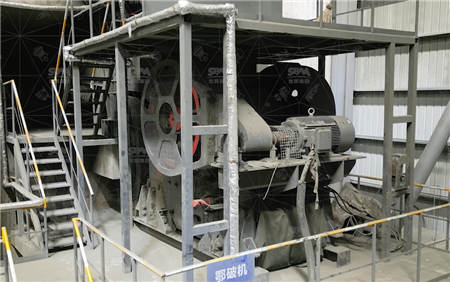
1. Primary Crushing: Jaw or gyratory crushers break large rocks into smaller fragments.
2. Secondary Crushing: Cone or impact crushers further reduce particle size.
3. Screening: Vibrating screens separate sand into desired fractions (e.g., 0-2mm, 2-4mm).
4. Washing: Sand washers remove impurities like clay and silt, improving quality.
Key equipment includes:
1. What is the ideal fineness modulus for mortar sand?
Typically between 2.2 and 3.0, depending on application (e.g., plastering vs. masonry).
2. Can crushed stone dust replace natural sand?
Yes, but it requires proper washing and grading to eliminate excessive fines (<75µm).
3. How does moisture content affect sand grading?
High moisture can cause clogging in screens; drying or controlled washing is essential.
A project in Southeast Asia replaced river sand with M-Sand in ready-mix mortar production. By using a VSI crusher and air classifier, the team achieved consistent grading with a fineness modulus of 2.6—resulting in a 15% reduction in cement usage while maintaining compressive strength above 20 MPa at 28 days.
Proper sand grading is non-negotiable for high-performance ready-mix mortar. With advancing crushing technology and stricter quality controls, manufactured sand is becoming a sustainable alternative to natural sources—ensuring efficiency without compromising structural integrity.

