Feldspar Mining and Processing: Key Equipment for the Aggregates Industry
The aggregates industry plays a vital role in construction, infrastructure, and industrial applications. Feldspar, a critical raw material for ceramics, glass, and abrasives, requires specialized mining and processing equipment to meet quality standards. This article explores the machinery used in feldspar extraction and crushing, along with industry insights.
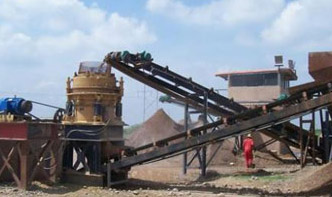
Feldspar is one of the most abundant minerals in the Earth’s crust. Its demand stems from its use in glassmaking (60-65% of global consumption) and ceramics (30-35%). To produce high-purity feldspar sand or powder, efficient crushing, grinding, and separation processes are essential.
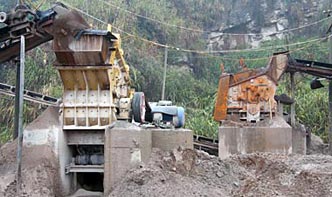
1. Jaw Crushers – Primary crushing reduces large feldspar blocks into manageable sizes (150-300mm).
2. Cone Crushers – Secondary crushing further refines material to 20-50mm for grinding efficiency.
3. Impact Crushers (VSI) – Ideal for shaping fine aggregates (0-10mm) with cubical particle output.
4. Ball Mills & Raymond Mills – Grind feldspar into fine powder (100-400 mesh) for industrial use.
5. Magnetic Separators & Flotation Machines – Remove iron impurities and separate feldspar from quartz.
1. What is the optimal feed size for feldspar crushers?
– Primary crushers handle ≤500mm; secondary crushers work best with ≤100mm feed.
2. How to minimize overgrinding?
– Use closed-circuit grinding with classifiers to control particle size distribution.
3. Which crusher is best for hard feldspar?
– Cone crushers offer higher compression strength handling than impact crushers.
A Turkish feldspar processing plant upgraded its system with a VSI crusher and air classifier, achieving:
Selecting the right crushing and grinding equipment ensures efficient feldspar processing while maintaining product quality. Advances in automation and wear-resistant materials continue to optimize production costs in the aggregates sector.

