The Role of Crusher Machines in Cement Plants and the Aggregate Industry
The cement and aggregate industries rely heavily on crusher machines to process raw materials into usable sizes for construction and manufacturing. Crushers are integral to cement plants, where limestone, clay, and other minerals must be crushed before further processing. Similarly, in the sand and gravel sector, crushers transform large rocks into fine aggregates for concrete, asphalt, and road base materials.
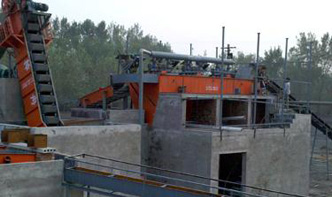
Cement production begins with the extraction and crushing of raw materials. Primary crushers, such as jaw crushers, handle large rocks, while secondary crushers (e.g., cone or impact crushers) refine the material to smaller sizes. In aggregate plants, crushers ensure uniformity in particle size, which is critical for structural integrity in construction projects.
1. Jaw Crushers: Ideal for primary crushing due to their high capacity and rugged design.
2. Impact Crushers: Used for softer materials, producing cubical-shaped aggregates.
3. Cone Crushers: Efficient for secondary and tertiary crushing with precise size control.
4. Vertical Shaft Impactors (VSI): Specialized for producing high-quality manufactured sand.
Modern crushers incorporate automation and energy-efficient designs to reduce operational costs and environmental impact.
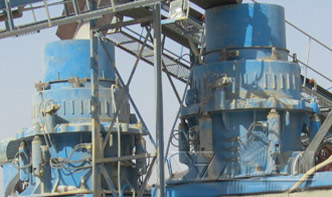
A cement plant in Southeast Asia upgraded its limestone crushing line with a hybrid jaw-cone crusher system, increasing throughput by 30% while cutting energy consumption by 15%. The new setup also reduced downtime through smart monitoring systems.
Crusher machines are the backbone of cement and aggregate production, ensuring efficiency and material quality. Advances in technology continue to optimize performance, making them indispensable in modern construction and industrial applications.

