Designing a Stone Crusher Building: A Comprehensive Guide for the Aggregate Industry
The stone crushing and sand-making industry is a cornerstone of modern construction, providing essential materials for infrastructure, roads, and buildings. Designing an efficient stone crusher building requires careful planning to optimize production, safety, and environmental compliance. Below is a step-by-step guide to ensure a well-structured facility.
The demand for high-quality aggregates continues to rise with urbanization and infrastructure development. Stone crushers transform raw rock into various sizes of gravel, sand, and crushed stone, which are vital for concrete, asphalt, and other construction applications. A well-designed crushing plant maximizes output while minimizing operational costs and environmental impact.
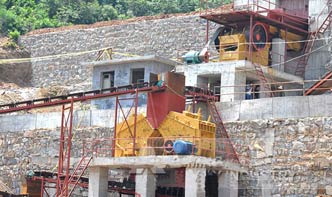
Q: How much space is needed for a stone crusher plant?
A: It depends on production capacity; small plants may require 1-2 acres, while large facilities need 5+ acres.
Q: What are the key permits required?
A: Environmental clearance, land use permits, and air/water pollution control approvals are typically needed.
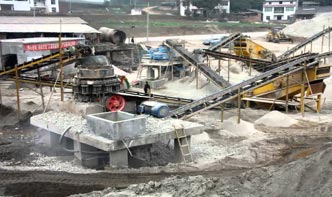
Q: How to reduce dust emissions?
A: Use misting systems, bag filters, or enclosed crushing chambers to minimize airborne particles.
A quarry in Texas upgraded its crushing plant by relocating the primary crusher closer to the pit, reducing haulage costs by 20%. The new layout also incorporated automated screening technology, improving efficiency by 15%.
Designing an effective stone crusher building involves balancing operational efficiency with regulatory compliance. By optimizing layout, equipment selection, and environmental controls, producers can achieve sustainable and profitable aggregate production.

