Aggregate Crushing Operation: Scoria Processing for Construction Applications
The aggregate crushing industry plays a pivotal role in infrastructure development, providing essential materials like scoria—a volcanic rock valued for its lightweight, porous structure, and high strength-to-weight ratio. Scoria is widely used in road base, landscaping, lightweight concrete, and drainage systems due to its durability and insulation properties.
Core Equipment for Scoria Crushing
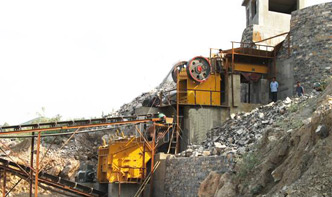
1. Jaw Crusher: Primary crushing reduces raw scoria to manageable sizes (150–300 mm). Its robust design handles abrasive materials efficiently.
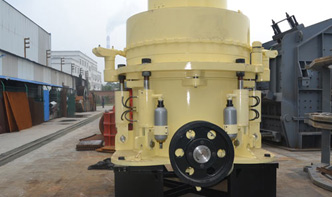
2. Cone Crusher: Secondary crushing refines the material further (20–50 mm), ensuring cubical shape for premium aggregates.
3. Impact Crusher: Ideal for producing finely graded sand (0–5 mm) or chip-sized scoria, enhancing versatility for concrete mixes.
4. Vibrating Screens & Log Washers: Remove impurities and classify aggregates by size, critical for meeting ASTM or EN standards.
Key Considerations
FAQ Section
Q: Can scoria replace traditional gravel in concrete?
A: Yes, but mix designs must account for its lower density (typically 1–1.2 g/cm³ vs. 2.6 g/cm³ for granite).
Q: What’s the optimal production line layout?
A: A 2-stage crushing system (jaw + cone) suits most scoria operations; adding a vertical shaft impactor improves sand yield.
Case Study: Highway Project in Idaho, USA
A quarry processed 500 TPH of scoria using a jaw crusher ( C120) and cone crusher (HP300), achieving 95% compliance with DOT specifications for road base. The project reduced material transport costs by 30% due to local sourcing.
Conclusion
Scoria’s unique properties demand tailored crushing solutions, balancing efficiency and product quality. Advances in wear-resistant alloys and automated sorting technologies are elevating its viability in sustainable construction—proving that even volcanic rock can build the future.

