Basalt Rock Mining and Crushing Equipment in Dubai: A Comprehensive Overview
Industry Background
Dubai’s rapid urbanization and infrastructure development have fueled demand for high-quality construction materials, particularly basalt aggregates. Basalt, a volcanic rock known for its durability and abrasion resistance, is widely used in road construction, concrete production, and landscaping. Local mining companies leverage advanced crushing and sand-making equipment to process basalt into graded aggregates, meeting stringent project specifications.
Core Equipment for Basalt Processing
1. Jaw Crushers: Primary crushing of raw basalt into coarse fragments (150–300mm). Models like the PE series offer high throughput and low maintenance.
2. Cone Crushers: Secondary crushing to produce medium-sized aggregates (20–50mm). Hydraulic systems (e.g., HPT series) ensure precise particle size control.
3. Vertical Shaft Impactors (VSI): Tertiary stage for manufacturing cubic-shaped sand (0–5mm). VSIs enhance particle shape for superior concrete workability.
4. Vibrating Screens: Multi-deck screens classify aggregates into fractions (e.g., 0–5mm, 5–10mm, 10–20mm).
Key Advantages
FAQ Section
1. What is the typical basalt aggregate production capacity in Dubai?
Plants range from 100 to 800 TPH, depending on project scale.
2. How to mitigate dust during crushing?
Use enclosed conveyors, bag filters, and wet suppression systems.
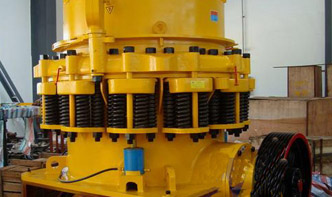
3. Which crusher is best for basalt?
A combination of jaw + cone + VSI ensures optimal particle shape and gradation.
Project Case Study
A Dubai-based contractor processed 1.2M tons of basalt annually for the Al Qudra Highway project using a 3-stage crushing circuit:
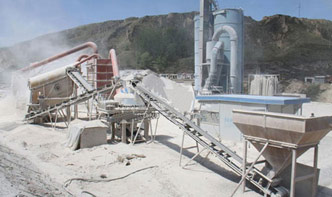
The output met ASTM C33 standards for concrete aggregates, reducing cement consumption by 12% due to improved particle packing.
Conclusion
Dubai’s basalt mining sector relies on robust crushing technology to support mega-projects. Investing in modular, automated equipment ensures scalability and compliance with sustainability goals.

