Enhancing Efficiency in Coal Mills for Cement Plants: A Focus on Crushing and Grinding Equipment
The cement industry relies heavily on coal as a primary fuel source, making the efficiency of coal mills a critical factor in overall plant performance. Coal mills, often integrated with crushing and grinding systems, must achieve optimal particle size distribution and combustion characteristics to maximize energy output while minimizing waste.
Cement production demands consistent and efficient raw material processing, where coal grinding plays a pivotal role. The coal mill’s performance directly impacts kiln stability, fuel consumption, and emissions. Inefficient grinding leads to higher energy use, increased maintenance costs, and lower productivity.
1. Vertical Roller Mills (VRM) – Widely adopted for their energy efficiency, VRMs use hydraulic pressure to grind coal between rollers and a rotating table. They offer better drying capacity and finer particle control compared to traditional ball mills.
2. Ball Mills – Though less efficient than VRMs, they remain in use for their reliability in handling varying coal qualities. Modern upgrades include high-efficiency classifiers to improve fineness.
3. Dynamic Classifiers – Integrated into mills to separate fine particles from coarse ones, ensuring uniform combustion and reducing unburnt carbon.
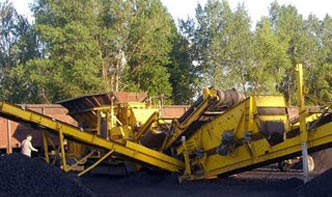
Q: How does coal quality affect mill efficiency?
A: Lower-grade coals with high moisture or ash content demand more grinding energy and may require system adjustments like higher airflow or classifier speed.
Q: What are common signs of mill inefficiency?
A: Rising power consumption, inconsistent kiln temperatures, or excessive rejects indicate poor grinding performance.
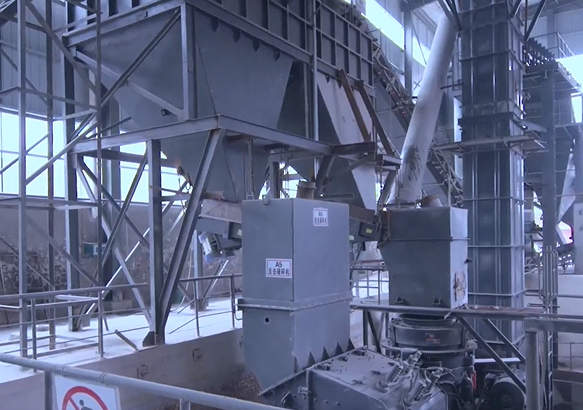
A cement plant in Southeast Asia upgraded its aging ball mill system to a VRM with dynamic classifiers. The results included:
Optimizing coal mill efficiency requires a combination of advanced equipment selection, process tuning, and proactive maintenance. As cement plants strive for sustainability, investing in modern grinding technology ensures both operational excellence and environmental compliance.

