Limestone Grinding Machinery and Its Role in India’s Aggregate Industry
The construction and infrastructure sectors in India are witnessing rapid growth, driving demand for high-quality sand and aggregate materials. Limestone, a key raw material, is widely used in cement production, road construction, and concrete manufacturing. To meet these demands, efficient limestone grinding machinery plays a pivotal role in processing raw limestone into fine powders or graded aggregates.
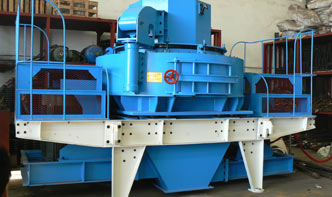
India’s construction industry heavily relies on crushed stone and manufactured sand (M-Sand) as alternatives to natural sand due to environmental regulations. Limestone, being abundant and cost-effective, is a primary choice for producing construction materials. Grinding machinery such as ball mills, Raymond mills, and vertical roller mills are essential for achieving the desired fineness and quality.
1. Ball Mills: Ideal for coarse to medium grinding, these machines are widely used in cement plants.
2. Raymond Mills: Suitable for fine powder production (80-325 mesh), commonly used in mineral processing.
3. Vertical Roller Mills (VRM): Energy-efficient and capable of handling large capacities, VRMs are gaining popularity in modern grinding plants.
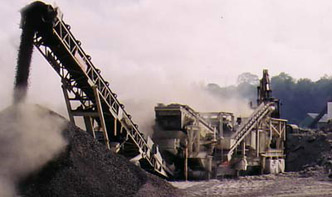
4. Hammer Crushers & Impact Crushers: Used for primary and secondary crushing before the grinding stage.
The price of limestone grinding machinery in India varies based on:
Q1: What is the average cost of a limestone grinding mill in India?
A: Prices range from ₹10 lakhs for small ball mills to over ₹1 crore for high-capacity VRMs.
Q2: How to choose the right grinding equipment?
A: Consider raw material hardness, required output size, and production capacity. Consulting an expert is recommended.
Q3: Are there government subsidies for setting up grinding units?
A: Some states offer incentives for MSMEs in mineral processing under industrial policies.
A cement plant in Rajasthan upgraded to a vertical roller mill, achieving a 30% reduction in energy consumption while increasing output by 20%. The ROI was realized within 2 years.
Investing in the right limestone grinding machinery is crucial for efficiency and profitability in India’s aggregate industry. With advancements in technology, businesses can optimize production while adhering to sustainability goals.

