The Comprehensive Guide to Granite Mining Equipment and Total Costs in the Aggregates Industry
Granite mining is a cornerstone of the construction and infrastructure sectors, providing essential raw materials for concrete, asphalt, and road bases. The demand for high-quality crushed stone and manufactured sand (M-sand) has surged due to urbanization and sustainable construction practices. To meet these needs, efficient granite mining and processing equipment is critical for optimizing production while controlling costs.
1. Primary Crushers:
– Jaw crushers and gyratory crushers are ideal for initial granite fragmentation, reducing large blocks to manageable sizes (150–300 mm).
– Key Brands: , , and offer robust models with high throughput.
2. Secondary & Tertiary Crushers:
– Cone crushers and impact crushers refine the material further (20–50 mm) for sand or aggregate production.
– Vertical Shaft Impactors (VSI) are preferred for premium M-sand with cubical particles.
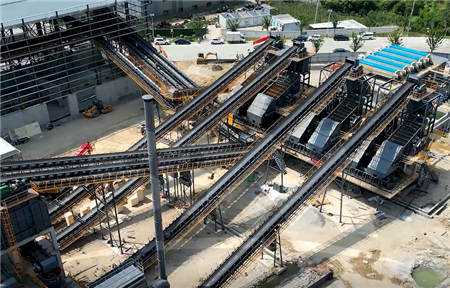
3. Screening and Classification:
– Vibrating screens (e.g., multi-deck screens) segregate granite into graded fractions (e.g., 0–5mm, 5–20mm).
– Air classifiers may be added for ultra-fine sand applications.
4. Auxiliary Equipment:
– Feeders, conveyors, and dust suppression systems ensure seamless operations.
– Mobile crushing plants enhance flexibility for remote sites.
A mid-capacity granite crushing plant (200–300 TPH) ranges from $1.5M to $5M, depending on automation and technology.
– Energy consumption (~$0.1–$0.3 per ton).
– Wear parts (e.g., manganese jaws, cone liners) account for 15–30% of OPEX.
Automated systems reduce labor costs but require skilled technicians for upkeep.
1. What’s the lifespan of granite crushers?
With proper maintenance, primary crushers last 10–15 years; wear parts need replacement every 6–24 months.
2. How to minimize dust in granite processing?
Use water sprays, enclosed conveyors, and baghouse filters.
3. Mobile vs. stationary plants: Which is better?
Mobile units suit short-term projects, while stationary plants offer higher efficiency for large quarries.
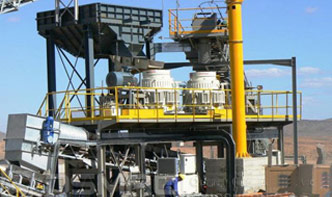
A 250-TPH plant using a jaw crusher + cone crusher + VSI configuration achieved 95% yield with <3% waste. Total investment: $3.2M, ROI in 2.5 years due to high demand for road base materials.
Investing in the right granite mining equipment involves balancing upfront costs with long-term efficiency. Advances in automation and sustainable practices (e.g., electric crushers) are reshaping the industry’s economics.
(Note: Always conduct a site-specific feasibility study to tailor equipment selection.)

