The Role of Vibrating Screens in Aggregate and Sand Processing Industry
The aggregate and sand processing industry plays a critical role in construction, infrastructure, and mining sectors. High-quality sand and crushed stone are essential for producing concrete, asphalt, and road base materials. Among the key equipment in this process, vibrating screens (or shaker screens) stand out for their efficiency in material classification and separation.
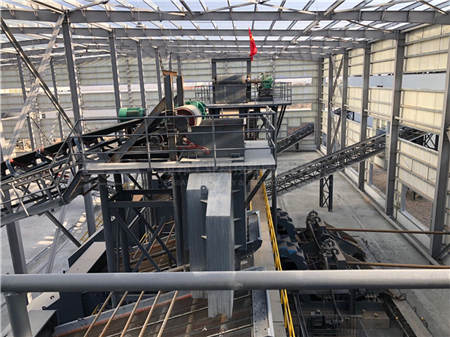
Global demand for sand and gravel exceeds 50 billion tons annually, driven by urbanization and infrastructure development. To meet stringent quality standards, raw materials must be precisely sorted by size, moisture content, and impurity levels. Vibrating screens are indispensable in this process, ensuring optimal gradation for downstream applications like concrete mixing or railway ballast production.
Animated or static, vibrating screens operate on the principle of high-frequency vibrations generated by eccentric shafts or motors. Key features include:
Common types include linear screens (for fine aggregates) and circular screens (for heavy-duty crushing plants).
1. How to reduce screen blinding?
Use anti-clogging meshes or ultrasonic cleaners for sticky materials.
2. What maintenance is required?
Regular inspection of springs, bearings, and tensioning systems.
3. Can screens handle high-moisture ores?
Yes, with inclined screens or added vibration intensity.
A quarry in Texas upgraded to a high-capacity vibrating screen, increasing throughput by 30% while reducing energy use. The solution included a polyurethane mesh to extend service life in abrasive limestone conditions.
Vibrating screens are the backbone of efficient aggregate processing. Innovations like AI-driven predictive maintenance and hybrid power options are shaping the future of this equipment, ensuring sustainability in the sand and gravel industry.
(Note: For animated visuals, refer to technical manuals or 3D simulations from manufacturers like or .)

