The Evolution of Crushing and Screening Equipment in the Aggregate Industry
The aggregate industry has long been the backbone of infrastructure development, supplying essential materials like sand, gravel, and crushed stone for construction projects worldwide. As urbanization accelerates and demand for high-quality aggregates grows, the role of advanced crushing and screening equipment becomes increasingly critical.
Industry Background
The global shift toward sustainable construction practices has driven innovations in crushing and screening technology. Modern equipment prioritizes energy efficiency, reduced emissions, and higher throughput to meet stricter environmental regulations. Companies like , , and have pioneered solutions that optimize particle shape and gradation, ensuring superior material quality for asphalt, concrete, and railroad ballast.
Core Equipment and Innovations
1. Jaw Crushers: Ideal for primary crushing, these machines handle large feed sizes and deliver consistent output. Recent models feature hydraulic adjustment systems for quicker downtime recovery.
2. Cone Crushers: Secondary and tertiary crushing rely on cone crushers for finer aggregates. Advanced models incorporate automation (e.g., ASRi systems) to optimize performance in real time.
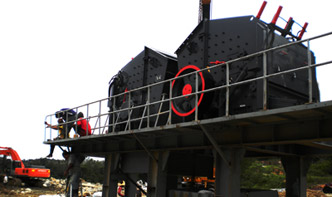
3. Impact Crushers: Versatile for both soft and hard rock, these units excel in producing cubical end products, crucial for high-grade concrete.
4. Screening Systems: Multi-deck vibratory screens segregate particles by size, with modular designs enabling easy reconfiguration for varying material specs.
Key Trends
FAQ Section
Q: How to minimize downtime in crushing operations?
A: Regular maintenance (e.g., lubrication, wear part replacement) and real-time monitoring systems are essential.
Q: What’s the ideal crusher for granite processing?
A: A combination of jaw crusher (primary) and cone crusher (secondary) ensures efficient size reduction and particle shape.
Q: How does moisture affect screening efficiency?
A: High moisture can cause clogging; pre-screening or heated decks may be necessary for wet materials.
Case Study: Urban Infrastructure Project
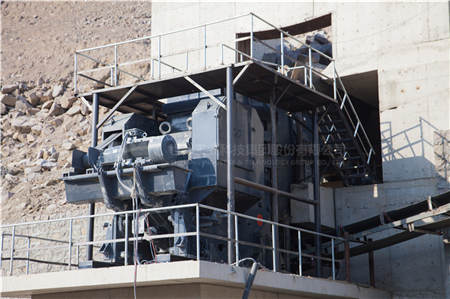
A contractor in Texas deployed a portable crushing plant to process limestone for a highway expansion. The setup included a jaw crusher, cone crusher, and triple-deck screen, achieving 500 TPH throughput with <5% oversize material. Automated controls reduced fuel consumption by 15%, aligning with sustainability goals.
Conclusion
As the aggregate industry evolves, crushing and screening equipment must balance productivity, environmental responsibility, and adaptability. Investing in modern technology not only enhances operational efficiency but also future-proofs businesses against regulatory and market shifts.