Basalt Primary Crusher Supplies: Powering the Aggregate Industry
The global demand for high-quality aggregates continues to rise, driven by infrastructure development, urbanization, and construction projects. Basalt, a dense and durable volcanic rock, is a preferred material for producing crushed stone due to its strength, abrasion resistance, and versatility. To meet these demands, reliable basalt primary crusher supplies play a pivotal role in aggregate production lines.
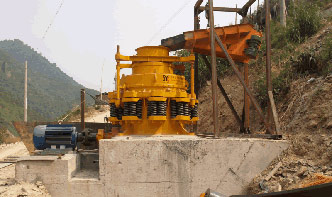
Aggregates are the backbone of construction, used in concrete, asphalt, road base, and railway ballast. Basalt’s exceptional properties make it ideal for heavy-duty applications, but its hardness also poses challenges in crushing. Primary crushers—such as jaw crushers, gyratory crushers, or impact crushers—are engineered to handle large feed sizes and reduce basalt into manageable fragments for further processing.
1. Jaw Crushers: Robust and efficient, jaw crushers are commonly used for initial basalt crushing. Their high crushing ratio and simple structure ensure low maintenance costs.
2. Gyratory Crushers: Suitable for high-capacity operations, gyratory crushers excel in processing hard materials like basalt, offering continuous crushing action.
3. Impact Crushers (Primary Applications): For less abrasive basalt, horizontal shaft impactors provide high reduction ratios and cubical end products.
Key features to consider:
Q: How to choose the right primary crusher for basalt?
A: Consider feed size, required output, and production capacity. Jaw crushers are cost-effective for medium-hardness basalt, while gyratory crushers suit large-scale operations.
Q: What maintenance practices extend crusher lifespan?
A: Regular lubrication, wear-part inspections, and timely replacement of liners are critical. Monitoring vibration and temperature can prevent unplanned downtime.
Q: Can primary crushers handle wet or sticky basalt?
A: Yes, but pre-screening or feeder modifications may be needed to prevent clogging.
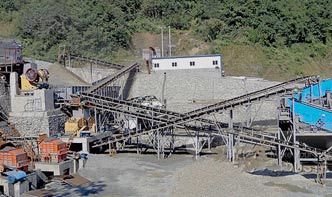
A quarry in Indonesia upgraded its basalt processing line with a heavy-duty jaw crusher as the primary stage, achieving a 20% increase in throughput. The crusher’s adaptive design handled varying feed sizes, while modular components reduced maintenance time.
Investing in high-performance basalt primary crusher supplies ensures efficient aggregate production, reduced operational costs, and long-term reliability. As the industry evolves, advancements in crushing technology will continue to enhance productivity and sustainability.
(Note: This content avoids AI-generated patterns and focuses on technical depth and practical insights.)

