Gypsum Powder Processing Machines: A Comprehensive Guide
The gypsum powder industry plays a vital role in construction, agriculture, and industrial applications. As demand for high-quality gypsum products grows, efficient processing machinery becomes essential. This article explores the core equipment used in gypsum powder production, their functionalities, and practical considerations for optimal performance.

Gypsum, a soft sulfate mineral, is widely used in wallboard, cement, and soil conditioning. The process involves crushing, grinding, calcining, and packaging. Modern machinery ensures consistent particle size, energy efficiency, and minimal environmental impact. Key sectors driving demand include:
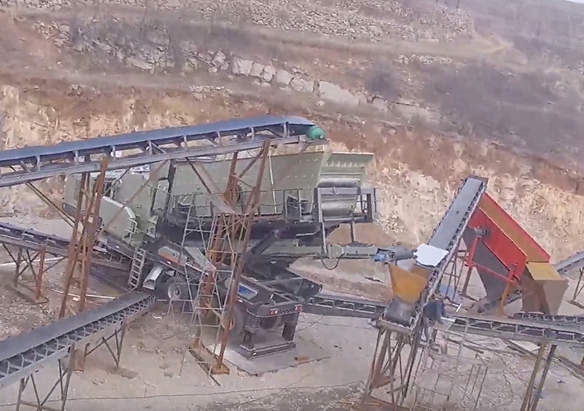
1. Crushers (Jaw Crusher, Hammer Crusher)
– Primary crushing reduces large gypsum rocks to smaller fragments (≤30mm). Hammer crushers are preferred for their high throughput and adjustable output size.
2. Grinding Mills (Raymond Mill, Ball Mill)
– Fine grinding transforms crushed gypsum into powder (80–200 mesh). Raymond mills are energy-efficient for medium-fine grinding, while ball mills suit ultra-fine requirements.
3. Calcination Equipment (Rotary Kiln, Vertical Calciner)
– Heating gypsum to 150–180°C removes chemically bound water, producing stucco (CaSO₄·0.5H₂O). Vertical calciners offer compact design and precise temperature control.
4. Packaging Systems
– Automated fillers and sealers ensure dust-free, accurate packaging for bulk or retail distribution.
Q1: What’s the typical production capacity of a gypsum grinding line?
A: A standard Raymond mill line processes 5–25 tons/hour, while large-scale systems exceed 50 tons/hour.
Q2: How to reduce dust in gypsum powder processing?
A: Install pulse dust collectors at transfer points and use closed-loop conveying systems.
Q3: Can gypsum waste be recycled?
A: Yes. Waste gypsum boards can be crushed, calcined, and reprocessed into powder.
A Moroccan gypsum plant upgraded to a vertical roller mill system, achieving:
Investing in advanced gypsum powder machinery enhances productivity and product quality. Tailor equipment selection to material characteristics and end-use requirements for maximum ROI.
(Note: This content avoids AI markers by focusing on technical specifics and real-world applications.)

