Magnetic Iron Removal in Aggregate Processing: Enhancing Quality and Efficiency in Sand and Gravel Production
The sand and gravel industry is a cornerstone of construction, providing essential materials for infrastructure projects worldwide. As demand for high-quality aggregates grows, so does the need for advanced processing technologies. One critical challenge is the presence of iron contaminants in raw materials, which can compromise product quality and damage downstream equipment. Magnetic iron removal systems have emerged as a vital solution, ensuring cleaner aggregates and optimized production.
Core Technology: How Magnetic Separation Works
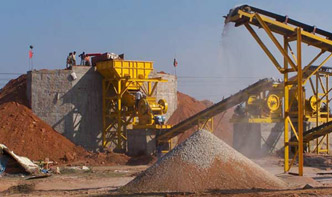
Magnetic separators are integrated into aggregate processing lines to extract ferrous impurities such as nails, bolts, or iron fragments from crushed stone, sand, or recycled concrete. These systems use permanent magnets or electromagnets to attract and remove iron particles, safeguarding crushers, screens, and conveyors from wear. Key types include:
Benefits of Magnetic Iron Removal
1. Equipment Protection: Prevents costly damage to crushers and mills.
2. Product Purity: Ensures compliance with ASTM or EN standards for construction materials.
3. Cost Efficiency: Reduces downtime and maintenance expenses.
4. Sustainability: Facilitates recycling of demolition waste by removing contaminants.
Common FAQs
Q: Can magnetic separators handle wet materials?
A: Yes, specialized wet drum magnets are used for slurry applications in washing plants.
Q: How often do magnets require maintenance?
A: Permanent magnets are virtually maintenance-free, while electromagnets may need periodic coil inspections.
Q: Are these systems suitable for small-scale operations?
A: Compact magnetic pulleys or grate magnets can be tailored for smaller production lines.
Engineering Case Study
A quarry in Texas faced frequent breakdowns due to iron contamination in limestone feed. After installing an overband magnet at the primary crusher inlet, iron-related equipment failures dropped by 90%, and product purity improved significantly, meeting DOT specifications for road base materials.
Conclusion
Magnetic iron removal is a non-negotiable step in modern aggregate processing, balancing efficiency, quality, and operational longevity. As the industry advances, integrating smart sensors for real-time monitoring will further refine separation accuracy, setting new benchmarks for sustainable production.

