Recycled Conveyor Belts for Sale in Oregon: A Sustainable Solution for Aggregate Operations
The aggregate and sand production industry is a cornerstone of construction and infrastructure development. With increasing emphasis on sustainability, recycled conveyor belts have emerged as a cost-effective and eco-friendly alternative for material handling in crushing and screening operations.
Oregon’s thriving construction sector demands efficient material transport systems. Conveyor belts play a pivotal role in moving raw materials, crushed stone, and sand through production lines. However, new belts can be expensive and resource-intensive. Recycled conveyor belts offer a durable, budget-friendly option, repurposed from mining, manufacturing, or other industrial applications.
1. Cost Savings: Recycled belts are significantly cheaper than new ones, reducing capital expenditure.
2. Durability: Many used belts retain substantial wear life, ideal for secondary crushing or transfer applications.
3. Sustainability: Reusing belts minimizes waste and aligns with green construction practices.
4. Quick Availability: Local suppliers in Oregon often stock recycled belts in various sizes, reducing downtime.
Q: How do I assess the quality of a recycled conveyor belt?
A: Check for cracks, fraying edges, and belt thickness. Ensure the reinforcement (steel or fabric) is intact.
Q: Can recycled belts handle abrasive materials like granite or basalt?
A: Yes, but verify the belt’s original use—mining-grade belts often withstand abrasion better.
Q: Where can I buy recycled conveyor belts in Oregon?
A: Local industrial surplus stores, aggregate equipment dealers, and online marketplaces like Craigslist or eBay often list them.
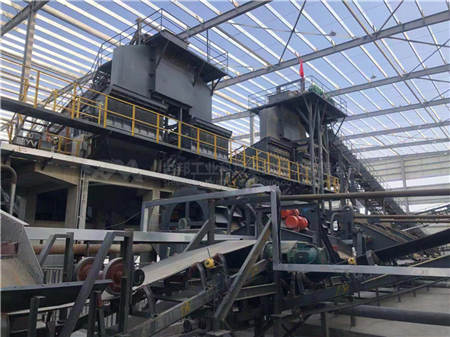
An Oregon-based quarry replaced three aging conveyors with recycled steel-cord belts, saving $12,000 over new equivalents. The belts showed no wear after six months of processing 500 TPH of basalt.
For aggregate producers in Oregon, recycled conveyor belts present a smart, sustainable choice. By balancing cost, performance, and environmental impact, they are a practical solution for modern crushing and screening plants.
(Note: Always consult suppliers for specifications tailored to your operation.)

