The Role of Ball Mill Liners in the Aggregate and Sand Production Industry
The aggregate and sand production industry is a cornerstone of modern construction, providing essential materials for infrastructure, buildings, and roadways. Central to this process is the ball mill, a critical piece of equipment used for grinding and blending raw materials into fine particles. Among its key components, ball mill liners—such as those designed by Danny Cronje—play a pivotal role in ensuring efficiency, durability, and cost-effectiveness.
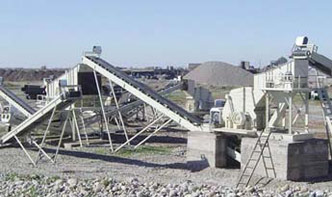
With global urbanization driving demand for high-quality aggregates, the need for reliable grinding equipment has never been greater. Ball mills are widely used in mining and aggregate processing to reduce material size and enhance homogeneity. However, the abrasive nature of raw materials like granite, basalt, and limestone necessitates robust liners to protect the mill’s interior and optimize performance.
1. Material Composition: Typically made from high-chrome steel, manganese steel, or rubber, these liners resist wear and extend service life.
2. Design Innovations: Advanced wave, rib, or step designs improve grinding efficiency by optimizing material trajectory and reducing energy consumption.
3. Customization: Liners can be tailored to specific ore types, mill sizes, and operational conditions to maximize output.
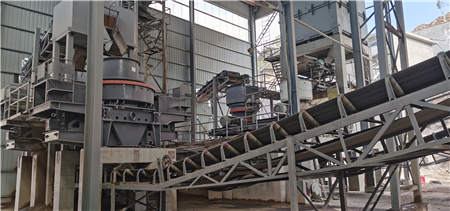
A: Lifespan depends on material hardness and operational hours, typically ranging from 6 to 24 months. Regular inspections are crucial.
A: Reduced grinding efficiency, increased power consumption, or visible cracks/dents indicate replacement is needed.
A: Yes, worn metal liners are often recycled, while rubber liners may be repurposed or discarded based on condition.
A quarry in Australia upgraded to Danny Cronje’s high-chrome liners for processing hard basalt. Results included:
In the competitive aggregate industry, selecting the right ball mill liners—like those from Danny Cronje—can significantly impact productivity and operational costs. By focusing on material quality, design precision, and maintenance practices, producers can ensure sustained performance in demanding environments.
(Note: For specific technical requirements, consult manufacturers for tailored solutions.)