The Stone Crusher Industry: Maintenance and Best Practices
The stone crusher industry plays a pivotal role in construction, mining, and infrastructure development. As demand for high-quality aggregates grows, maintaining crusher equipment efficiently becomes critical for productivity and cost control.
Stone crushers are essential for producing crushed stone, sand, and gravel—key materials in concrete, asphalt, and road base construction. With urbanization accelerating globally, the sector faces pressure to optimize output while minimizing downtime.
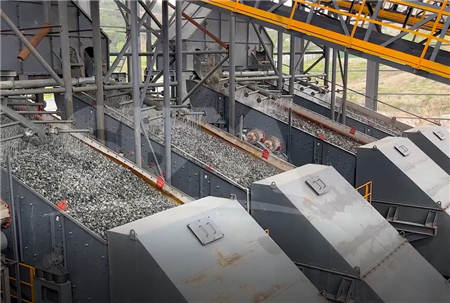
1. Regular Inspection
– Check wear parts (liners, jaws, blow bars) weekly to prevent unexpected failures.
– Monitor belt tension and alignment to avoid slippage or tearing.
2. Lubrication Management
– Use manufacturer-recommended grease/oil for bearings and moving parts.
– Schedule lubrication intervals based on operating hours (e.g., every 8–12 hours).
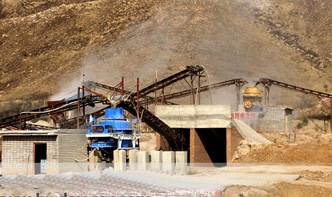
3. Cleaning & Debris Removal
– Clear buildup around the crushing chamber to prevent blockages.
– Inspect dust suppression systems to ensure compliance with environmental regulations.
4. Vibration & Alignment Checks
– Excessive vibration may indicate misalignment or unbalanced rotors—address promptly to avoid structural damage.
A: Depending on material hardness (e.g., granite vs limestone), liners last 40–200 operating hours. Monitor thickness regularly.
A: Worn-out wear parts or incorrect speed settings are likely culprits—inspect and adjust accordingly.
A granite quarry in Texas reduced downtime by 30% after implementing predictive maintenance using vibration sensors and scheduled liner replacements. Output consistency improved, lowering reprocessing costs by 15%.
Proactive maintenance ensures longevity and efficiency in stone crushing operations. By integrating routine checks with advanced monitoring tools, operators can maximize ROI while meeting sustainability goals.

