Limestone Mining and Processing in India: A Focus on Crushing and Sand-Making Equipment
Industry Background
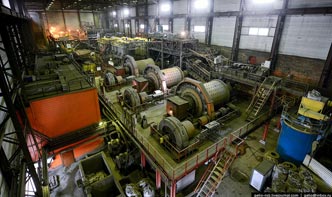
Limestone mining is a vital sector in India, supporting industries like cement, construction, and agriculture. India ranks among the top limestone producers globally, with major reserves in states like Rajasthan, Andhra Pradesh, and Madhya Pradesh. The extraction and processing of limestone into usable aggregates require advanced crushing and sand-making equipment to meet the growing demand for high-quality construction materials.
Core Equipment for Limestone Processing
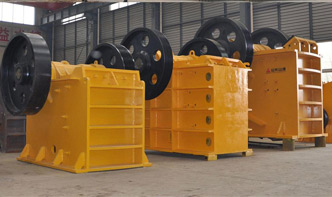
1. Primary Crushers: Jaw crushers are commonly used for initial size reduction, handling large limestone blocks (up to 1.5m) into smaller fragments (150–200mm).
2. Secondary Crushers: Cone or impact crushers further crush the material to 20–50mm, suitable for downstream processes.
3. Tertiary Crushers: Vertical shaft impactors (VSIs) or fine cone crushers produce 0–10mm aggregates, ideal for sand-making or concrete mixes.
4. Sand-Making Machines: VSI crushers shape limestone into manufactured sand (M-Sand), a sustainable alternative to river sand, with controlled gradation and low impurity levels.
Key Considerations
FAQ Section
1. What is the typical output size range for limestone aggregates?
– Coarse aggregates: 10–20mm; Fine aggregates: 0–5mm (M-Sand).
2. How does M-Sand compare to natural sand?
– M-Sand offers better particle shape, higher strength, and eliminates silt content, making it ideal for concrete.
3. What maintenance is required for limestone crushers?
– Regular inspection of wear parts (blow bars, mantles) and lubrication checks ensure longevity.
Engineering Case Study
A cement plant in Rajasthan upgraded its limestone crushing line with a 3-stage setup:
The system achieved 30% higher throughput and reduced energy use by 15%, meeting IS 383 standards for construction aggregates.
Conclusion
India’s limestone mining sector relies on robust crushing and sand-making technology to produce quality aggregates sustainably. Investments in automated, energy-efficient equipment will drive future growth, addressing infrastructure demands while minimizing environmental impact.

