Calculating Crushing Ratios in Coal Processing: A Comprehensive Guide
The coal and aggregate industries rely heavily on crushing equipment to achieve optimal particle size distribution for downstream applications. Understanding the crushing ratio is critical for selecting the right crusher and optimizing production efficiency.
Coal crushing is a fundamental step in mining, power generation, and coke production. The crushing ratio (CR) defines the reduction in particle size achieved by a crusher, influencing energy consumption, throughput, and product quality. In the broader context of aggregate processing, similar principles apply to limestone, granite, and other raw materials.
The crushing ratio is calculated using the formula:
CR = Feed Size / Product Size
Where:
For coal, typical crushing ratios vary based on the crusher type:
1. Material Hardness & Friability: Softer coal allows higher crushing ratios with less wear.
2. Moisture Content: Wet coal may reduce efficiency, necessitating adjustments in CR.
3. Crusher Selection: Primary vs. secondary crushing stages require different CRs.
Q1: Why is a higher crushing ratio not always better?
A: Excessive CR may increase fines generation, reducing sellable product yield and increasing dust issues.
Q2: How does feed gradation affect CR?
A: Uneven feed sizes can lead to inconsistent crushing, requiring pre-screening for optimal performance.
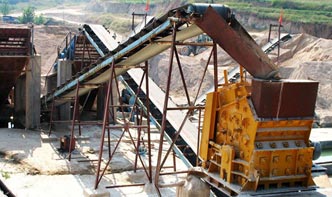
A coal-fired power plant in Indonesia upgraded from a jaw crusher (CR 5:1) to an impact crusher (CR 15:1), reducing energy consumption by 22% while meeting the required 30mm product specification. Pre-crushing screening was introduced to eliminate oversized lumps, further improving efficiency.
Accurate crushing ratio calculation ensures operational efficiency and product quality in coal processing. Proper crusher selection, combined with material analysis, maximizes ROI in both coal and aggregate applications.

