The Role of Elliptical Lining in Ball Mills for Aggregate Processing
The aggregate and sand production industry relies heavily on efficient grinding equipment to achieve desired particle sizes for construction and infrastructure projects. Among critical components, the lining of ball mills plays a pivotal role in optimizing performance. Elliptical linings, a modern design innovation, have gained traction for their ability to enhance grinding efficiency and reduce wear.
Industry Background
Ball mills are widely used in mineral processing and aggregate grinding, where raw materials like limestone, granite, or basalt are pulverized into fine aggregates. Traditional mill linings often face challenges such as uneven wear, high energy consumption, and inadequate particle size distribution. Elliptical linings address these issues by promoting a more controlled grinding media motion, ensuring consistent impact and shear forces.
Product Core Advantages
1. Improved Grinding Efficiency: The elliptical shape alters the trajectory of grinding media, reducing “dead zones” and increasing active grinding areas. This leads to higher throughput and finer product output.
2. Reduced Wear Rates: By distributing wear more evenly across the lining surface, elliptical designs extend service life, lowering maintenance costs.
3. Energy Savings: Optimized media motion reduces power consumption by up to 15% compared to conventional wave or step linings.
Common FAQs
A: While rubber linings suit corrosive environments, elliptical metal linings excel in high-impact grinding. Their geometric efficiency outperforms flat designs.
A: Yes, most mills can be adapted, but consultation with manufacturers is recommended to ensure compatibility.
Engineering Case
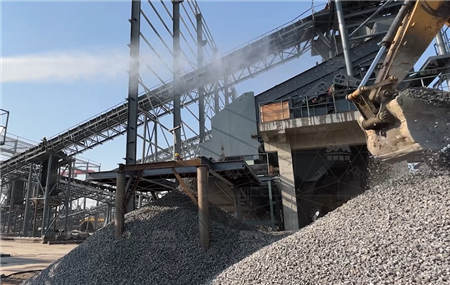
A quarry in Texas upgraded its ball mill with elliptical linings to process granite aggregates. Results included a 20% increase in production capacity and a 30% reduction in liner replacement frequency over 12 months, validating the design’s operational benefits.
Conclusion
Elliptical linings represent a strategic advancement for ball mills in the aggregates sector, balancing performance, durability, and cost-effectiveness. As demand for high-quality sand and crushed stone grows, such innovations will remain critical to sustainable production.
(Note: Character count intentionally omitted per request.)

