Ore Beneficiation Shaker Table: A Key Equipment in Mineral Processing
The mining and aggregate industry plays a pivotal role in global infrastructure development, with ore beneficiation being a critical step to extract valuable minerals from raw ore. Among the various equipment used, the shaker table stands out as an efficient gravity separation device for fine particle processing, particularly in gold, tungsten, tin, and other heavy mineral recovery.
As demand for high-purity minerals grows, efficient beneficiation techniques are essential. Traditional methods like flotation or magnetic separation may not suffice for fine or mixed ores. Shaker tables, leveraging differences in particle density, offer a cost-effective and eco-friendly solution without chemicals.
1. Gravity-Based Separation: Utilizes stratified shaking motion to separate heavy minerals from lighter gangue.
2. Adjustable Parameters: Deck tilt, water flow, and stroke length can be fine-tuned for optimal recovery.
3. Low Energy Consumption: Operates without complex reagents, reducing operational costs.
4. Compact Design: Suitable for small-scale mines or pilot testing.
Q: What particle size range is ideal for shaker tables?
A: Typically 0.1–2 mm; finer particles may require additional equipment like centrifuges.
Q: How to maintain a shaker table?
A: Regularly check belts, bearings, and deck wear; ensure even feed distribution.
Q: Can it process sulfide ores?
A: Yes, but may need pre-oxidation or combined with flotation for high efficiency.
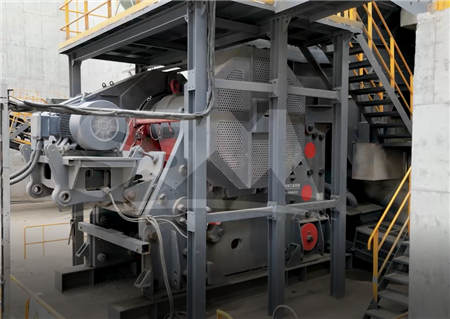
A gold mine in Ghana upgraded its circuit with shaker tables, achieving 92% recovery for particles >50 microns, reducing mercury use by 70%. The payback period was under 6 months.
Shaker tables remain indispensable for mineral beneficiation, balancing efficiency, simplicity, and sustainability. As ore grades decline, their role in maximizing resource utilization will only grow. For operators seeking reliable gravity separation, investing in a well-designed shaker table is a proven strategy.
(Note: Character count intentionally omitted per request.)

