Feldspar Crushing Machine Cost and Its Role in the Aggregate Industry
The global construction and infrastructure sectors continue to drive demand for high-quality aggregates, including crushed feldspar, a key material in ceramics, glass, and construction applications. As a critical component in sand and gravel production lines, feldspar crushing machines play a pivotal role in ensuring efficient mineral processing. Understanding the cost factors and operational benefits of these machines is essential for businesses optimizing their aggregate production.
Feldspar, one of the most abundant minerals in the Earth’s crust, is widely used in industrial applications due to its hardness and chemical stability. The growing demand for manufactured sand (M-sand) as a sustainable alternative to natural sand has further emphasized the need for reliable crushing equipment. Jaw crushers, cone crushers, and impact crushers are commonly employed for feldspar processing, each offering distinct advantages in terms of output size, energy efficiency, and maintenance requirements.
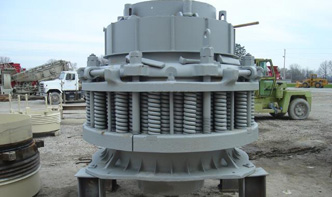
1. Machine Type: Primary crushers (e.g., jaw crushers) typically have lower upfront costs but may require secondary crushing stages. Cone crushers offer finer output but at a higher investment.
2. Production Capacity: Higher-capacity machines reduce per-ton operating costs but increase initial purchase prices.
3. Energy Consumption: Advanced models with energy-saving designs may cost more upfront but yield long-term savings.
4. Wear Parts: The abrasiveness of feldspar accelerates wear on components like mantles and liners, impacting maintenance budgets.
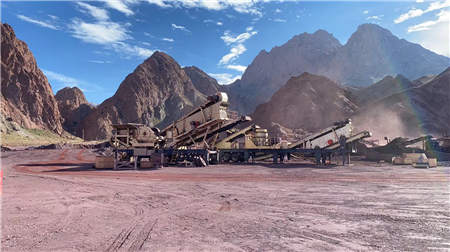
Prices range from $15,000 for small jaw crushers to over $100,000 for high-capacity cone crushers, depending on specifications.
Regular maintenance, proper feed size control, and opting for machines with adjustable settings can optimize efficiency.
A quarry in Turkey upgraded to a multi-stage crushing line (jaw crusher + hydraulic cone crusher) for feldspar processing, achieving 30% higher output with reduced energy consumption compared to their old hammer mill system. The ROI was realized within 18 months due to lower downtime and improved product quality for glass manufacturing.
Investing in the right feldspar crushing equipment requires balancing initial costs with long-term operational efficiency. As sustainability regulations tighten, adopting advanced crushing technologies will be crucial for staying competitive in the aggregates market.

