Iron Ore Processing and Cobbing: A Deep Dive into Crushing and Aggregate Equipment
The mining and aggregate industry plays a pivotal role in global infrastructure development, with iron ore being one of the most critical raw materials. Processing iron ore involves several stages, including crushing, grinding, and beneficiation. Among these, cobbing—a preliminary step to remove waste rock from ore—relies heavily on efficient crushing equipment to optimize downstream operations.
Iron ore extraction begins with blasting and hauling raw material to processing plants. The primary goal is to liberate valuable iron oxides from gangue minerals. Cobbing, often performed via magnetic separation or dense media separation, requires coarse crushing to prepare the ore for further refinement. This stage demands robust equipment capable of handling abrasive materials while minimizing energy consumption.
1. Jaw Crushers: Ideal for primary crushing, these machines reduce large ore chunks to manageable sizes (150–300 mm). Their rugged design ensures durability in high-impact environments.
2. Cone Crushers: Used for secondary/tertiary crushing, cone crushers produce finer aggregates (20–50 mm) with precise particle size control. Hydraulic systems enable adjustments for varying ore hardness.
3. High-Pressure Grinding Rolls (HPGR): For energy-efficient comminution, HPGRs compress feed material between rotating rollers, reducing reliance on ball mills in downstream grinding.
4. Magnetic Separators: Integrated post-crushing to extract magnetite or hematite during cobbing, improving ore grade before final processing.
Q: Why is cobbing necessary in iron ore processing?
A: Cobbing removes low-grade waste rock early, cutting transportation and processing costs for higher-grade ore.
Q: Which crusher is best for sticky iron ores?
A: Gyratory crushers handle sticky feeds better than jaw crushers due to their continuous crushing action and larger feed openings.
Q: How to minimize downtime in iron ore crushing plants?
A: Predictive maintenance (e.g., vibration monitoring) and modular component designs allow quick replacements without full shutdowns.
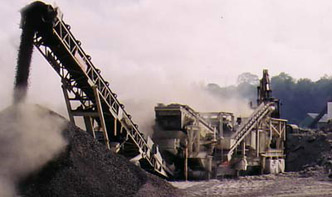
A Brazilian mine upgraded its cobbing line with ® HP300 cone crushers, achieving a 25% increase in throughput while reducing energy use by 15%. Pre-screening eliminated fines before secondary crushing, optimizing separator efficiency.
Iron ore processing hinges on selecting the right crushing technology to balance cost, efficiency, and product quality. Advances in automation and wear-resistant materials continue to redefine industry standards, ensuring sustainable resource utilization for future demand.

