The Essential Role of Concrete Primary Crushers in the Aggregate Industry
The aggregate industry is a cornerstone of modern construction, providing the raw materials for infrastructure, buildings, and roads. At the heart of this industry lies the primary crusher—a critical piece of equipment designed to break down large rocks and concrete into manageable sizes for further processing. Among these, concrete primary crushers are particularly vital for recycling demolition waste and producing high-quality aggregates.
With urbanization and infrastructure development accelerating globally, the demand for sustainable construction materials has surged. Recycled concrete aggregates (RCA) are gaining traction as an eco-friendly alternative to materials. Primary crushers enable the efficient processing of demolished concrete, reducing landfill waste and conserving natural resources.
Modern concrete primary crushers are engineered for durability, efficiency, and versatility. Key features include:
1. What types of primary crushers are best for concrete?
Jaw crushers (for hard, abrasive materials) and impact crushers (for softer, recycled concrete) are popular choices.
2. How does a primary crusher differ from secondary crushers?
Primary crushers handle raw, oversized material, while secondary crushers refine the output into smaller, graded aggregates.
3. Can primary crushers process reinforced concrete?
Yes, but pre-processing (e.g., removing rebar with magnets or shears) is often necessary to prevent damage.
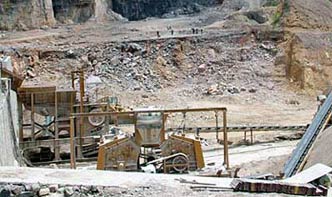
A demolition contractor in Texas deployed a track-mounted jaw crusher to process 50,000 tons of concrete debris from a highway overpass demolition. The primary crusher achieved an output size of 6 inches, which was further refined into RCA for new road base layers—reducing disposal costs by 60% and cutting material procurement expenses by 40%.
Investing in a high-performance concrete primary crusher not only enhances operational efficiency but also aligns with sustainability goals. As the industry shifts toward circular economy practices, these machines will remain indispensable for transforming waste into valuable resources. For buyers, evaluating factors like feed size, mobility, and maintenance requirements is key to selecting the right equipment.