The Crushing and Sand-Making Equipment Industry: Key Insights and Applications
The global demand for high-quality sand and aggregates continues to rise, driven by infrastructure development, urbanization, and construction projects. As natural sand resources deplete, manufactured sand (M-Sand) produced by crushing and sand-making equipment has become a sustainable alternative. This article explores the industry’s dynamics, core technologies, and real-world applications.
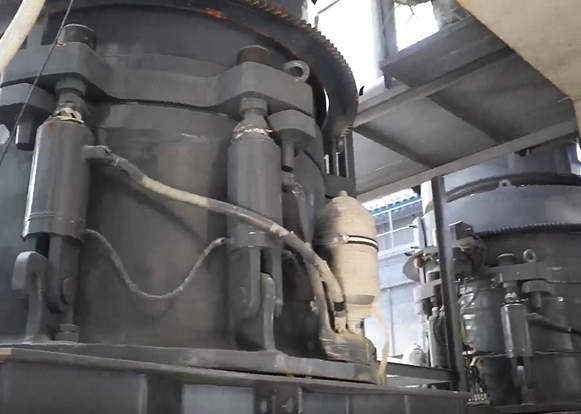
The sand and gravel market is projected to grow steadily, with Asia-Pacific leading due to rapid industrialization. Governments are enforcing stricter environmental regulations, pushing manufacturers to adopt eco-friendly crushing solutions. Modern equipment focuses on energy efficiency, reduced dust emissions, and high yield-to-waste ratios.
1. Jaw Crushers: Primary crushing for hard materials like granite and basalt.
2. Cone Crushers: Secondary/Tertiary crushing with precise particle size control.
3. Vertical Shaft Impactors (VSI): Critical for shaping cubical sand particles, ideal for concrete production.
4. Mobile Crushing Plants: Flexible solutions for on-site processing in remote locations.
Leading brands integrate automation (e.g., IoT sensors) to optimize performance and predictive maintenance.
Q1: What’s the advantage of M-Sand over natural sand?
A: M-Sand offers consistent gradation, lower impurities, and better adhesion in concrete mixes.
Q2: How to reduce dust in crushing operations?
A: Use enclosed systems, water sprays, or bag filters; modern VSIs often feature built-in dust suppression.
Q3: What’s the typical lifespan of a crusher’s wear parts?
A: Depending on material hardness, manganese liners last 50–200 operating hours; regular inspection is key.
A quarry in Texas upgraded to a VSI-based sand-making plant, increasing output by 30% while meeting ASTM C33 standards for construction sand. The system’s closed-loop design reduced water usage by 40%, aligning with sustainability goals.
As technology advances, crushing equipment will play a pivotal role in balancing productivity and environmental stewardship—a cornerstone of modern infrastructure development.

