The Essential Role of Crushers in Road Material Processing
The construction and maintenance of modern road networks rely heavily on high-quality aggregates, which form the foundation of durable pavements. Crushers play a pivotal role in transforming raw materials like limestone, granite, or recycled concrete into precisely graded road base materials, ensuring optimal compaction and load-bearing capacity.
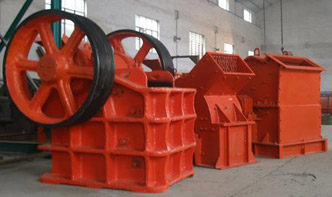
With urbanization and infrastructure development accelerating globally, the demand for road-building materials has surged. Crushers are indispensable in aggregate production lines, reducing large rocks into uniform sizes (e.g., 0–40mm for sub-base or 5–20mm for asphalt mixes). Key sectors include highway construction, urban roads, and rehabilitation projects, where material consistency directly impacts longevity and safety.
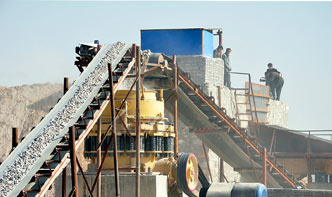
1. Jaw Crushers: Ideal for primary crushing of hard rocks, delivering coarse aggregates for further processing.
2. Impact Crushers: Perfect for producing cubical-shaped aggregates critical for road stability, often used as secondary crushers.
3. Cone Crushers: Ensure fine crushing with high precision, suitable for final shaping of aggregates.
4. Mobile Crushers: Offer flexibility for on-site crushing, reducing transportation costs in remote projects.
Advanced features like hydraulic adjustment, automated control systems, and wear-resistant liners enhance efficiency and reduce downtime.
Q1: What type of crusher is best for recycling old road materials?
A: Impact crushers excel at processing recycled concrete or asphalt, removing rebar and producing clean aggregates.
Q2: How to minimize dust during crushing?
A: Use water spray systems or enclosed crushing chambers paired with dust suppression technologies.
Q3: What’s the typical output size for road base layers?
A: Sub-base layers usually require 20–40mm aggregates, while surface layers need finer grades (5–10mm).
Project: Highway Expansion in Texas, USA
Challenge: Processing 500TPH of limestone for base layers under tight deadlines.
Solution: A two-stage crushing system (jaw + cone crusher) with a mobile screening unit ensured consistent 0–25mm output, meeting DOT specifications. The setup reduced fuel costs by 30% compared to off-site crushing.
Selecting the right crusher—whether fixed or mobile—directly impacts cost-efficiency and material quality in road construction. Innovations in automation and sustainability (e.g., electric-powered units) are shaping the future of aggregate production. Stakeholders must prioritize equipment tailored to geological conditions and project scales to maximize ROI.
(Note: Character count intentionally omitted per request.)

