Hammer Mills in the Aggregate Industry: Power Consumption and Key Considerations
The aggregate industry relies heavily on crushing and grinding equipment to process raw materials like limestone, granite, and basalt into usable sand and gravel. Among these machines, hammer mills stand out for their versatility in secondary and tertiary crushing. However, power consumption remains a critical factor in operational efficiency.
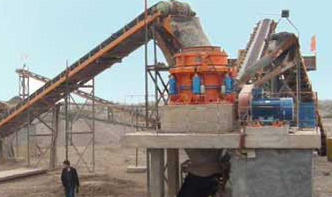
The power requirement of a hammer mill depends on several variables:
1. Material Properties: Hardness, moisture content, and feed size significantly impact energy use. For example, crushing basalt consumes more power than softer limestone.
2. Rotor Speed: Higher rotational speeds increase throughput but also raise energy demands.
3. Screen Size: Finer screens (smaller apertures) require more power due to prolonged material retention.
4. Feed Rate: Overloading the mill strains the motor, while underloading wastes energy per ton processed.
A basic estimation formula for power (P) in kW is:
\[ P = \frac{Q \times Wi}{60 \times \eta} \]
Where:
Q1: How to reduce power consumption?
Q2: What’s the typical power range for industrial hammer mills?
Small units may require 15–75 kW, while large-scale aggregate mills can exceed 500 kW.
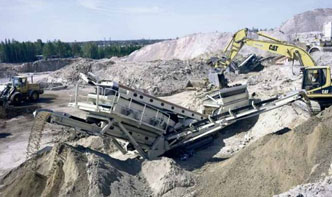
A quarry in Texas upgraded its hammer mill system with adjustable rotor speed and predictive maintenance tools. By aligning motor load with real-time feed conditions, they reduced energy use by 18% while maintaining a 200 TPH output.
Balancing power consumption with productivity is essential in aggregate processing. Proper equipment selection, operational adjustments, and maintenance can significantly enhance efficiency—key to sustainable operations in today’s competitive market.

