Iron Ore Mining: A Step-by-Step Process
Iron ore mining is a critical industry that supplies the raw material for steel production, a cornerstone of modern infrastructure. The process involves several stages, from exploration to processing, ensuring efficient extraction and minimal environmental impact.
Before mining begins, geological surveys identify viable iron ore deposits. Core drilling and sampling determine ore quality and quantity. Once a site is selected, land clearing and infrastructure setup (roads, power, water) commence.
Heavy machinery drills holes into the rock, which are then filled with explosives. Controlled blasting breaks the ore into manageable fragments for excavation.
Large excavators or front-end loaders scoop the blasted ore onto haul trucks, which transport it to primary crushers or stockpiles.
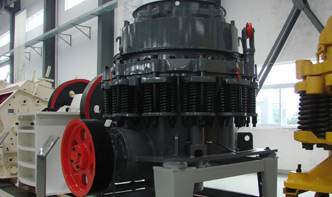
The ore is crushed into smaller pieces using jaw or gyratory crushers. Screening separates finer particles for further processing while larger chunks are recrushed.
Low-grade ores undergo beneficiation to increase iron content. Methods include magnetic separation, gravity separation, or flotation to remove impurities like silica.
Fine iron ore is often pelletized for blast furnace use, while sinter feed is agglomerated to improve permeability in smelting.
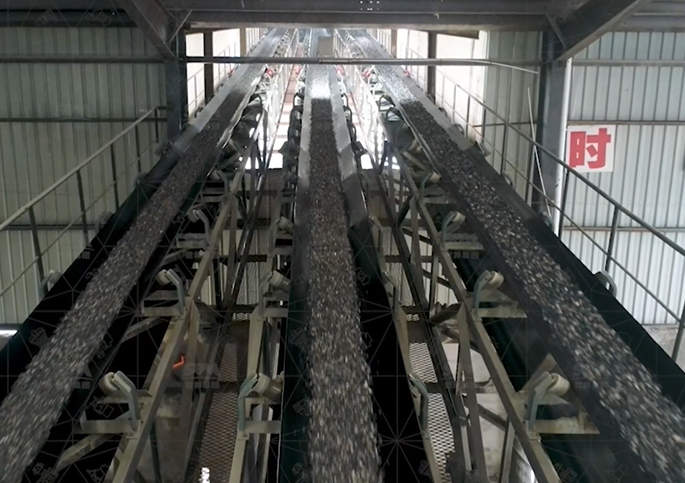
Processed ore is shipped via rail, ship, or truck to steel mills for smelting into iron and steel products.
—
Q: What equipment is used in iron ore mining?
A: Drills, excavators, haul trucks, crushers, and conveyors are key equipment types.
Q: How is environmental impact managed?
A: Land rehabilitation, water recycling, and dust suppression systems mitigate ecological effects.
—
The Pilbara mines use autonomous haul trucks and advanced crushing systems to produce over 800 million tons annually, showcasing high-efficiency operations in harsh environments.
Iron ore mining remains a vital industry, continuously evolving with automation and sustainability practices to meet global demand efficiently.

