Dust Suppression in Crushing Plants: Enhancing Efficiency and Sustainability
The aggregate and sand production industry plays a critical role in construction, infrastructure, and mining sectors. However, crushing plants often generate significant dust emissions, posing environmental, health, and operational challenges. Effective dust suppression systems are essential to mitigate these issues while maintaining productivity.
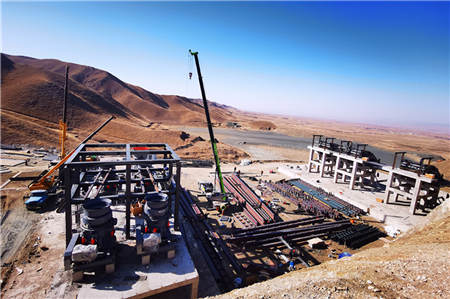
Crushing plants process raw materials like limestone, granite, and basalt into aggregates for concrete, asphalt, and road bases. During crushing, screening, and conveying, airborne dust particles are released, leading to:
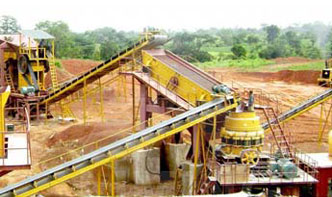
1. Water Spray Systems:
– Nozzles strategically placed at transfer points, crushers, and screens.
– Fine mist binds dust particles without over-wetting materials.
2. Suppression:
– Combines water and agents to encapsulate dust effectively.
3. Chemical Additives:
– Polymers or surfactants enhance water’s dust-binding capability.
4. Enclosures & Ventilation:
– Sealing crushers/screens and using baghouse filters for airborne dust.
5. Fog Cannons:
– High-pressure cannons project mist over large areas (e.g., stockpiles).
Q1: Does water spray affect material quality?
A: Properly calibrated systems minimize moisture addition (<1%), avoiding impact on gradation or downstream processes.
Q2: What’s the cost of retrofitting a dust suppression system?
A: Costs vary by plant size but are offset by reduced downtime, compliance savings, and improved worker safety.
A granite quarry reduced PM10 emissions by 85% after installing a hybrid system (water sprays + enclosures). Productivity increased due to fewer equipment stoppages for dust-related maintenance.
Investing in tailored dust suppression solutions ensures regulatory compliance, worker health, and operational longevity. As sustainability demands grow, innovative technologies like smart moisture sensors and AI-driven spray controls are emerging trends in the industry.

