The Essential Guide to Cone Crusher Parts Clearing in the Aggregate Industry
The aggregate and sand production industry relies heavily on cone crushers for efficient size reduction of hard and abrasive materials. As a critical component in crushing circuits, cone crushers demand regular maintenance—particularly parts clearing—to ensure optimal performance and longevity.
Cone crushers are widely used in quarries, mining, and construction for secondary and tertiary crushing. Their ability to produce uniformly shaped aggregates makes them indispensable. However, material buildup, wear, and blockages can hinder efficiency, leading to costly downtime. Proper parts clearing is vital to mitigate these issues.
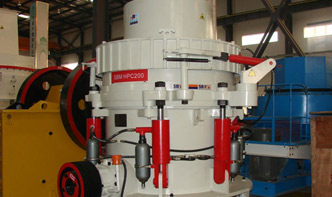
1. Mantle & Concave: Wear parts like the mantle and concave require periodic inspection. Clearing accumulated material between liners prevents uneven wear and maintains crushing geometry.
2. Eccentric Assembly: Lubrication and debris removal around the eccentric bushing ensure smooth operation.
3. Hydraulic System: Clearing hydraulic cylinders and relief valves prevents pressure loss and cavitation.
4. Discharge Hopper: Regular removal of packed fines avoids choke-fed conditions that strain the crusher.
Best practices include:
Q: How often should cone crusher parts be cleared?
A: Depending on material abrasiveness, inspect every 40–80 hours; clear debris during liner changes or when throughput drops.
Q: What are signs of improper clearing?
A: Reduced production, unusual vibrations, or overheating indicate blockages or excessive wear.
Q: Can automation assist in parts clearing?
A: Yes—modern crushers feature auto-adjust systems and sensors to alert operators of buildup.
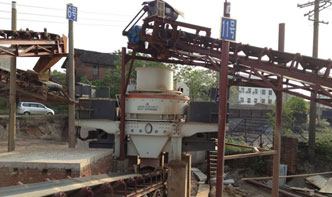
A granite quarry in Texas faced frequent downtime due to material jamming in their cone crusher’s crushing chamber. After implementing a strict clearing regimen (bi-weekly inspections + real-time monitoring), unplanned stoppages decreased by 35%, boosting annual output by 18%.
Proactive parts clearing extends equipment life, reduces maintenance costs, and optimizes production efficiency—key factors for profitability in the competitive aggregates sector. Investing in training and technology ensures crushers operate at peak performance while minimizing operational risks.